


Hey there! As a supplier of Single Point Load Cells, I often get asked if these little gadgets can be used in the food industry. Well, you bet they can! And in this blog, I'm gonna break down why they're a great fit, the perks they bring, and how they stack up against other load cells.
First off, let's talk about what a Single Point Load Cell is. It's a type of sensor that measures force or weight. You can think of it as a super - sensitive scale component. It's designed to handle loads applied at a single point, which makes it really versatile. You can find more about them at Single Point Load Cell.
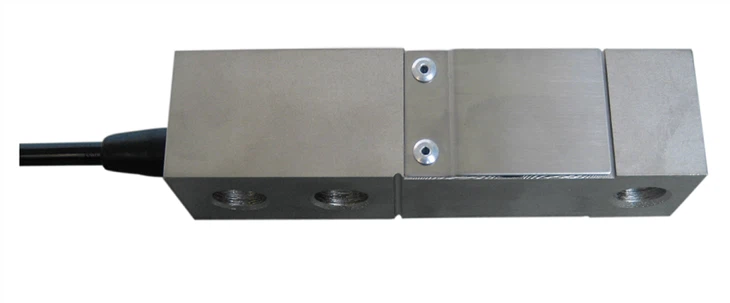

Now, why is the food industry so interested in these load cells? Well, accuracy is key in food production. Whether you're making a batch of cookies or bottling up some fancy sauce, you need to know exactly how much of each ingredient you're using. Single Point Load Cells are known for their high accuracy. They can measure weights down to the gram, which is crucial when you're dealing with recipes that require precise measurements.
Another big plus is their durability. The food industry is a tough place. There are spills, constant cleaning, and exposure to different temperatures and humidity levels. Single Point Load Cells are built to withstand these conditions. They're often made from materials like stainless steel, which is resistant to corrosion and easy to clean. This means they can keep working accurately for a long time, even in a busy food processing plant.
Let's also talk about the ease of installation. In a food production line, time is money. You don't want to spend hours setting up new equipment. Single Point Load Cells are relatively easy to install. They can be integrated into existing weighing systems with minimal hassle. This means you can get your production line up and running again in no time.
But it's not just about the technical stuff. These load cells can also help with food safety. In the food industry, traceability is a big deal. By accurately measuring the amount of ingredients used in each batch, you can keep better records. This makes it easier to track down the source of any problems, like a contamination issue. If you know exactly how much of each ingredient was used, you can quickly figure out which suppliers might be involved.
Now, how do Single Point Load Cells compare to other types of load cells? Let's take a look at S - Beam Load Cell and Single - Ended Beam Load Cell. S - Beam Load Cells are great for applications where you need to measure tension or compression. They're often used in industrial settings, like in cranes or hoists. While they're very accurate, they might be overkill for some food industry applications. They're also a bit more complicated to install.
Single - Ended Beam Load Cells are similar to S - Beam Load Cells but are designed for different types of loads. They're commonly used in platform scales. However, they might not be as well - suited for the dynamic environment of a food production line. Single Point Load Cells, on the other hand, are more adaptable to the changing loads and conditions in the food industry.
In terms of cost, Single Point Load Cells are often more budget - friendly. You don't have to break the bank to get a reliable weighing solution for your food business. This is especially important for small and medium - sized food producers who are looking to keep their costs down.
But, of course, no product is perfect. Single Point Load Cells do have some limitations. For example, they might not be the best choice for very large - scale food production where extremely heavy loads are involved. In those cases, you might need a more heavy - duty load cell. Also, while they're durable, they still need to be properly maintained. Regular calibration is essential to ensure their accuracy over time.
Despite these limitations, the benefits of using Single Point Load Cells in the food industry far outweigh the drawbacks. They offer a great combination of accuracy, durability, ease of installation, and cost - effectiveness. Whether you're a small bakery or a large food processing company, these load cells can help you improve your production process and ensure the quality of your products.
If you're in the food industry and looking for a reliable weighing solution, I'd highly recommend considering Single Point Load Cells. They've been a game - changer for many food businesses, and I'm confident they can do the same for you.
If you're interested in learning more or discussing a potential purchase, feel free to reach out. We're always happy to have a chat and see how we can help you find the right load cell for your specific needs. Let's work together to take your food production to the next level!
References
- "Load Cell Handbook" by HBM
- Industry reports on food production and weighing technology


