


Bellow beam load cells are a type of force - measuring device that have gained attention in various industries due to their unique design and performance characteristics. As a supplier of bellow beam load cells, I often get asked whether these load cells can be used in aerospace applications. In this blog, we will explore the technical aspects, advantages, challenges, and potential use - cases of bellow beam load cells in the aerospace field.
Technical Understanding of Bellow Beam Load Cells
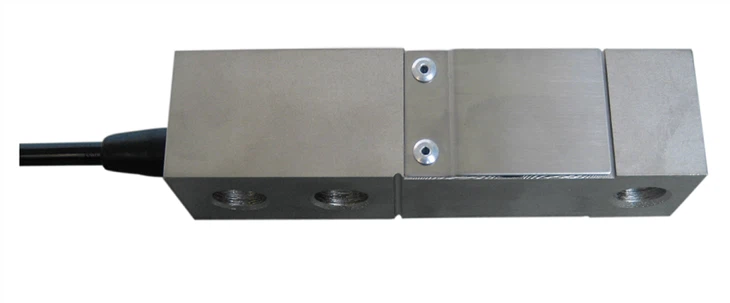
Bellow beam load cells are designed to measure force by utilizing the deformation of a bellow - shaped structure. When a force is applied, the bellow deforms, and this deformation is converted into an electrical signal through strain gauges attached to the bellow. The electrical signal is then proportional to the applied force, allowing for accurate force measurement.
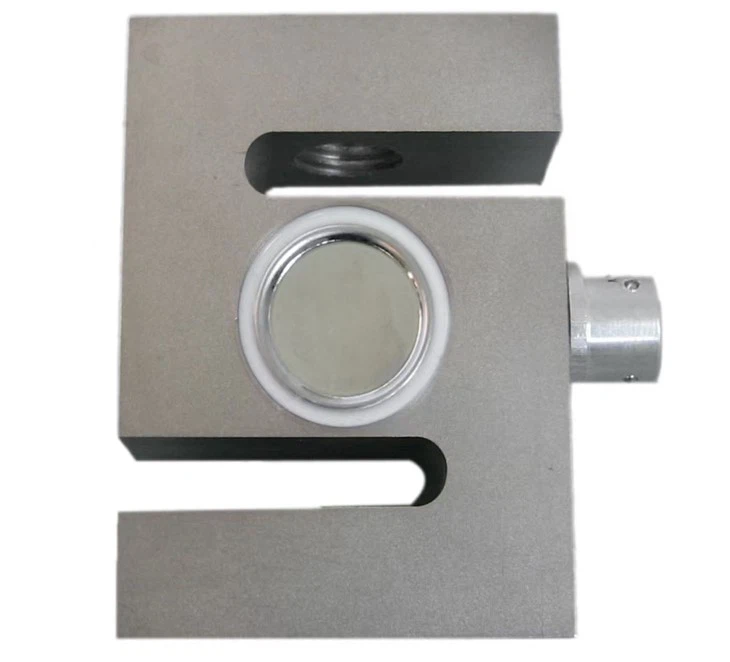
Compared to other types of load cells such as S - Beam Load Cell, Single - Ended Beam Load Cell, and Single Point Load Cell, bellow beam load cells offer a different set of features. For example, S - beam load cells are commonly used in tension and compression applications, while single - ended beam load cells are suitable for applications where space is limited. Single point load cells are often used in weighing systems. Bellow beam load cells, on the other hand, can provide high sensitivity and are capable of measuring both static and dynamic forces.
Advantages of Bellow Beam Load Cells for Aerospace Applications
High Sensitivity
In aerospace applications, accurate force measurement is crucial. Bellow beam load cells can offer high sensitivity, which means they can detect even small changes in force. This is important for applications such as aircraft control surface testing, where precise measurement of aerodynamic forces is required. For example, during wind tunnel testing of an aircraft wing, the bellow beam load cell can accurately measure the lift and drag forces acting on the wing, providing valuable data for the design and optimization of the aircraft.
Compact Design
Space is a precious commodity in aerospace systems. Bellow beam load cells have a relatively compact design, which makes them suitable for installation in tight spaces. They can be easily integrated into various aerospace components without taking up too much room. For instance, in the landing gear system, a bellow beam load cell can be installed to measure the force exerted on the landing gear during take - off and landing, without adding significant bulk to the system.
Dynamic Force Measurement
Aerospace applications often involve dynamic forces, such as vibrations and shock loads. Bellow beam load cells are capable of measuring dynamic forces effectively. They can respond quickly to changes in force, providing real - time data. This is essential for applications like engine testing, where the load cell needs to measure the dynamic forces generated by the engine during operation, helping to ensure the engine's performance and reliability.
Corrosion Resistance
Many aerospace components are exposed to harsh environmental conditions, including high humidity, saltwater, and chemicals. Bellow beam load cells can be designed with corrosion - resistant materials, such as stainless steel, which makes them suitable for use in these environments. This ensures the long - term reliability and accuracy of the load cells in aerospace applications.
Challenges of Using Bellow Beam Load Cells in Aerospace
Environmental Adaptability
Although bellow beam load cells can be made corrosion - resistant, they still need to withstand extreme temperatures, pressure changes, and radiation in the aerospace environment. For example, in space applications, the load cells may be exposed to temperatures ranging from extremely cold in the shadow of the spacecraft to very hot when exposed to direct sunlight. Developing load cells that can maintain their performance under these extreme conditions is a significant challenge.
Calibration and Accuracy Maintenance
In aerospace applications, the accuracy of force measurement is of utmost importance. Bellow beam load cells need to be calibrated regularly to ensure their accuracy. However, the calibration process can be complex, especially in the aerospace environment where the load cells may be installed in hard - to - reach locations. Additionally, factors such as aging and mechanical wear can affect the accuracy of the load cells over time, requiring continuous monitoring and maintenance.
Cost
The development and production of bellow beam load cells suitable for aerospace applications can be costly. The need for high - quality materials, advanced manufacturing processes, and strict quality control measures all contribute to the high cost. This can be a limiting factor for some aerospace projects, especially those with tight budgets.
Potential Aerospace Applications of Bellow Beam Load Cells
Aircraft Structural Testing
Bellow beam load cells can be used in aircraft structural testing to measure the forces acting on different parts of the aircraft structure, such as wings, fuselage, and tail. By accurately measuring these forces, engineers can assess the structural integrity of the aircraft and ensure that it can withstand the expected loads during flight.
Flight Control System Testing
In the flight control system, bellow beam load cells can be used to measure the forces exerted on the control surfaces, such as ailerons, elevators, and rudders. This data is used to optimize the control system design and ensure the aircraft's maneuverability and stability.
Satellite Deployment and Operation
In satellite applications, bellow beam load cells can be used to measure the forces during satellite deployment, such as the force exerted by the deployment mechanism. They can also be used to monitor the forces acting on the satellite during operation, helping to ensure the satellite's proper functioning and orbit stability.
Conclusion
Bellow beam load cells have the potential to be used in a wide range of aerospace applications due to their high sensitivity, compact design, dynamic force measurement capabilities, and corrosion resistance. However, they also face challenges in terms of environmental adaptability, calibration, and cost. As a supplier of bellow beam load cells, we are constantly working on improving the performance and reliability of our products to meet the specific requirements of the aerospace industry.
If you are involved in an aerospace project and are considering using bellow beam load cells, we would be more than happy to discuss your needs and provide you with the best solutions. Contact us to start a procurement discussion and explore how our bellow beam load cells can contribute to the success of your aerospace application.
References
- "Load Cell Handbook", Omega Engineering Inc.
- "Aerospace Testing and Instrumentation", John Wiley & Sons.
- "Advanced Materials for Aerospace Applications", Elsevier.


