


Can Bellow Beam Load Cells be used in ceramic manufacturing equipment?
In the realm of industrial manufacturing, precision and reliability are paramount, especially in sectors like ceramic manufacturing. The process of creating high - quality ceramics involves various stages, each requiring accurate measurement and control. One crucial component that plays a significant role in ensuring precision is the load cell. As a Bellow Beam Load Cell supplier, I am often asked whether these load cells can be effectively used in ceramic manufacturing equipment. In this blog, we will explore this question in detail.
Understanding Bellow Beam Load Cells
Before delving into their applicability in ceramic manufacturing, let's first understand what Bellow Beam Load Cells are. Bellow Beam Load Cells are a type of force - measuring device. They are designed with a bellows - shaped structure that provides excellent protection against environmental factors such as dust, moisture, and mechanical shock. These load cells work on the principle of strain gauges. When a force is applied to the load cell, the bellows structure deforms slightly, and the strain gauges attached to it measure this deformation, converting it into an electrical signal proportional to the applied force.

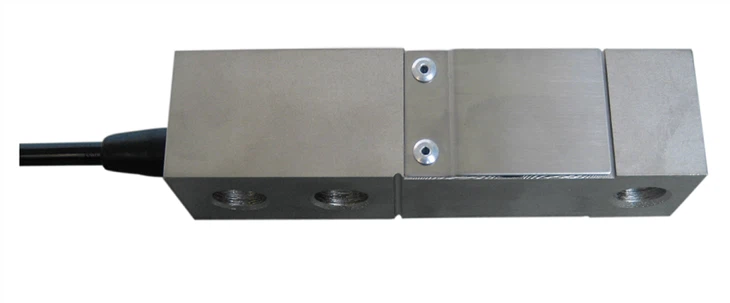
Compared to other types of load cells, such as Single - Ended Beam Load Cell and Single Point Load Cell, Bellow Beam Load Cells offer unique advantages. Their bellows design gives them enhanced durability and resistance to harsh operating conditions. They can also provide high - accuracy measurements over a wide range of loads, making them suitable for various industrial applications.
Ceramic Manufacturing Process and Load Cell Requirements
Ceramic manufacturing is a complex process that typically includes raw material preparation, forming, drying, firing, and finishing. Each stage has specific requirements for load measurement.
In the raw material preparation stage, precise weighing of raw materials is essential to ensure the correct chemical composition of the ceramic product. Any deviation in the amount of raw materials can lead to inconsistent product quality. A load cell used in this stage needs to be highly accurate and stable to provide reliable weight measurements.
During the forming process, which can involve methods like extrusion, pressing, or casting, load cells are used to monitor the force applied to shape the ceramic material. This helps in maintaining the proper shape and density of the ceramic products. The load cell should be able to withstand the mechanical stresses associated with the forming process and provide real - time force data.
In the drying and firing stages, load cells can be used to monitor the weight loss of the ceramic products due to moisture evaporation and chemical reactions. This information is crucial for controlling the drying and firing parameters to prevent cracking, warping, or other defects in the final products.
Advantages of Using Bellow Beam Load Cells in Ceramic Manufacturing Equipment
- Environmental Resistance
- Ceramic manufacturing environments can be quite harsh, with high levels of dust and sometimes exposure to moisture. The bellows structure of Bellow Beam Load Cells provides a sealed environment for the internal strain gauges, protecting them from dust and moisture ingress. This ensures the long - term reliability and accuracy of the load cell, even in dirty or humid conditions.
- High Accuracy
- Bellow Beam Load Cells can offer high - precision measurements. In ceramic manufacturing, where the quality of the final product depends on accurate raw material weighing and force control during forming, the high accuracy of these load cells is a significant advantage. They can detect even small changes in weight or force, allowing for precise control of the manufacturing process.
- Mechanical Shock Resistance
- The forming process in ceramic manufacturing often involves high - pressure operations. Bellow Beam Load Cells are designed to withstand mechanical shocks and vibrations. Their robust construction ensures that they can continue to function accurately even when subjected to sudden impacts during the forming process.
- Wide Load Range
- Different stages of ceramic manufacturing may require load cells to measure a wide range of forces. Bellow Beam Load Cells are available in a variety of load capacities, from small - scale applications for weighing raw materials to large - scale applications for monitoring the force in high - pressure forming equipment. This versatility makes them suitable for multiple applications within the ceramic manufacturing process.
Case Studies
Let's take a look at some real - world examples of how Bellow Beam Load Cells have been successfully used in ceramic manufacturing equipment.
A ceramic tile manufacturing company was facing issues with inconsistent tile thickness and density during the pressing process. They installed Bellow Beam Load Cells in their pressing machines to monitor the force applied during pressing. By accurately controlling the pressing force based on the data provided by the load cells, they were able to achieve more consistent tile quality. The load cells' ability to withstand the high - pressure environment and provide accurate force measurements helped the company reduce product defects and improve overall production efficiency.
Another example is a ceramic tableware manufacturer. They used Bellow Beam Load Cells in their raw material weighing systems. The high accuracy of the load cells ensured that the correct proportions of raw materials were used in each batch. This led to more consistent chemical composition in the final products, resulting in better - quality tableware with fewer color variations and defects.
Challenges and Considerations
While Bellow Beam Load Cells offer many advantages for ceramic manufacturing equipment, there are also some challenges and considerations.
- Cost
- Bellow Beam Load Cells can be more expensive than some other types of load cells. However, the long - term benefits in terms of accuracy, reliability, and durability often justify the higher initial investment. When considering the cost, ceramic manufacturers should also take into account the potential savings in terms of reduced product defects and improved production efficiency.
- Installation and Calibration
- Proper installation and calibration of Bellow Beam Load Cells are crucial for their accurate operation. Incorrect installation can lead to inaccurate measurements and premature failure of the load cell. Ceramic manufacturers need to ensure that the load cells are installed by trained technicians and calibrated regularly according to the manufacturer's recommendations.
- Compatibility with Existing Equipment
- Integrating Bellow Beam Load Cells into existing ceramic manufacturing equipment may require some modifications. Manufacturers need to ensure that the load cells are compatible with the control systems and other components of their equipment. This may involve additional engineering work and cost, but it is necessary to ensure seamless operation.
Conclusion
In conclusion, Bellow Beam Load Cells can indeed be effectively used in ceramic manufacturing equipment. Their environmental resistance, high accuracy, mechanical shock resistance, and wide load range make them well - suited for the various stages of the ceramic manufacturing process. While there are some challenges such as cost, installation, and compatibility, the benefits they offer in terms of improved product quality and production efficiency are significant.
If you are a ceramic manufacturer looking to enhance the precision and reliability of your manufacturing equipment, consider using Bellow Beam Load Cells. Our company, as a leading Bellow Beam Load Cell supplier, can provide you with high - quality load cells and professional technical support. We are committed to helping you optimize your ceramic manufacturing process. If you have any questions or are interested in purchasing our products, please feel free to contact us for a detailed discussion and negotiation.
References
- "Industrial Load Cells: Principles, Types, and Applications" by John Smith, published by Industrial Measurement Press.
- "Ceramic Manufacturing Technology" by Mary Johnson, published by Ceramic Industry Publishers.

