


In the modern era of agriculture, technological advancements are playing an increasingly vital role in enhancing efficiency, productivity, and sustainability. One such technology that has shown great potential in agricultural applications is the load cell. As a load cell supplier, I have witnessed firsthand the diverse ways in which load cells can be integrated into various agricultural processes. This blog post aims to explore the question: Can load cells be used in agricultural applications?
Understanding Load Cells
Before delving into their agricultural applications, it's essential to understand what load cells are. Load cells are transducers that convert force or weight into an electrical signal. They work on the principle of strain gauges, which are electrical resistors that change their resistance when subjected to mechanical stress. When a load is applied to a load cell, the strain gauges deform, causing a change in resistance. This change is then measured and converted into an electrical signal proportional to the applied force or weight.
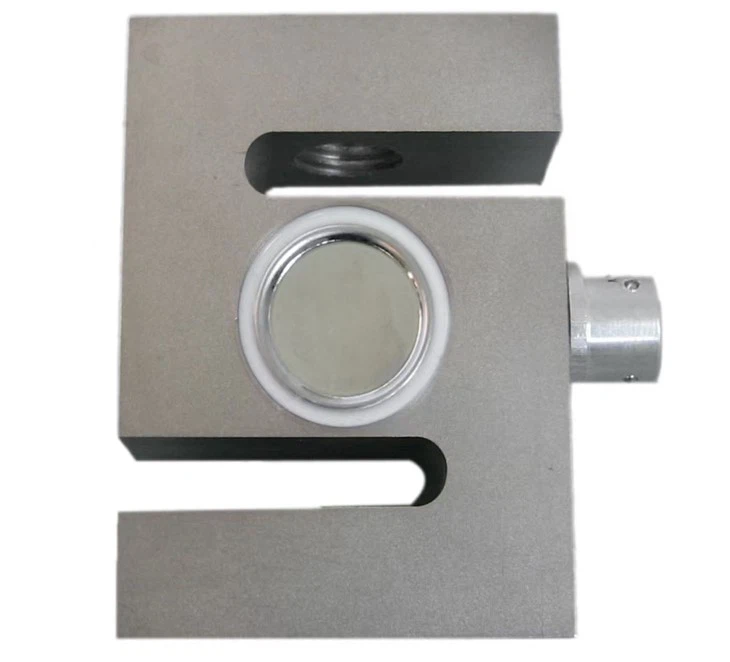
There are several types of load cells available, each with its own unique characteristics and applications. Some of the commonly used load cells in agricultural applications include Single-Ended Beam Load Cell, Industrial Strain Gauge Load Cell, and S-Beam Load Cell.
Agricultural Applications of Load Cells
Weighing and Batching
One of the most straightforward applications of load cells in agriculture is weighing and batching. In the production of animal feed, fertilizers, and pesticides, accurate weighing is crucial to ensure the correct formulation and quality of the final product. Load cells can be installed in hoppers, silos, and mixing tanks to measure the weight of raw materials and finished products. This allows farmers and agricultural producers to precisely control the amount of each ingredient, reducing waste and improving product consistency.
For example, in a feed mill, load cells can be used to measure the weight of grains, proteins, vitamins, and minerals as they are added to the mixing process. By integrating the load cell data with a control system, the mill can automatically adjust the feed rates of each ingredient to achieve the desired formulation. This not only improves the quality of the feed but also reduces production costs by minimizing overfeeding and underfeeding.
Livestock Management
Load cells also have significant applications in livestock management. They can be used to monitor the weight of individual animals or groups of animals, which is essential for assessing their health, growth, and productivity. By regularly weighing livestock, farmers can detect early signs of illness, monitor the effectiveness of feeding programs, and make informed decisions about breeding, marketing, and culling.
In dairy farms, load cells can be installed in milking parlors to measure the milk yield of individual cows. This data can be used to track the performance of each cow, identify high-producing animals, and optimize the milking process. Additionally, load cells can be used in livestock scales to weigh animals before and after transportation, ensuring compliance with weight regulations and preventing overloading.
Irrigation and Water Management
Efficient water management is crucial in agriculture, especially in regions with limited water resources. Load cells can be used to monitor the water level in irrigation tanks, reservoirs, and wells. By measuring the weight of the water, farmers can accurately determine the volume of water available and make informed decisions about irrigation scheduling and water usage.
Load cells can also be integrated with flow meters to measure the flow rate of water in irrigation systems. This allows farmers to precisely control the amount of water applied to crops, reducing water waste and improving water use efficiency. In addition, load cells can be used to monitor the weight of soil moisture sensors, which can provide real-time information about the moisture content of the soil. This data can be used to optimize irrigation schedules and ensure that crops receive the right amount of water at the right time.

Harvesting and Post-Harvest Handling
Load cells play a vital role in harvesting and post-harvest handling operations. They can be used to measure the weight of harvested crops, such as grains, fruits, and vegetables, at the point of harvest. This information is essential for determining the yield of each field, calculating the value of the crop, and making decisions about storage, transportation, and marketing.
In addition, load cells can be used in conveyor systems and sorting machines to measure the weight of individual fruits and vegetables. This allows farmers to sort crops based on their size, weight, and quality, improving the marketability of the produce. Load cells can also be used in storage facilities to monitor the weight of stored crops, ensuring proper ventilation and preventing spoilage.
Advantages of Using Load Cells in Agriculture
The use of load cells in agriculture offers several advantages, including:
Accuracy and Precision
Load cells provide highly accurate and precise measurements of force and weight, ensuring that agricultural processes are carried out with the highest level of precision. This is essential for maintaining product quality, optimizing resource utilization, and complying with regulatory requirements.
Reliability and Durability
Load cells are designed to withstand harsh environmental conditions, such as extreme temperatures, humidity, and vibration. They are also resistant to corrosion and wear, ensuring long-term reliability and durability in agricultural applications.
Automation and Integration
Load cells can be easily integrated with control systems and automation equipment, allowing for the automation of agricultural processes. This reduces labor costs, improves efficiency, and minimizes human error.
Data Collection and Analysis
Load cells can provide real-time data on weight and force, which can be collected and analyzed using software applications. This data can be used to monitor the performance of agricultural operations, identify trends and patterns, and make informed decisions about future strategies.
Challenges and Considerations
While load cells offer significant benefits in agricultural applications, there are also some challenges and considerations that need to be addressed. These include:
Cost
Load cells can be relatively expensive, especially for high-capacity and high-precision models. However, the long-term benefits of using load cells, such as improved efficiency, productivity, and quality, often outweigh the initial investment.
Installation and Maintenance
Proper installation and maintenance of load cells are crucial to ensure their accurate and reliable operation. Load cells need to be installed in a stable and level environment, and they require regular calibration and inspection to maintain their accuracy.
Environmental Conditions
Agricultural environments can be harsh and challenging, with exposure to dust, dirt, moisture, and chemicals. Load cells need to be selected and installed to withstand these environmental conditions, and they may require additional protection or shielding to prevent damage.
Compatibility and Integration
Load cells need to be compatible with the existing control systems and automation equipment in agricultural operations. They may require additional interfaces or software to integrate with these systems, which can add to the complexity and cost of the installation.
Conclusion
In conclusion, load cells have significant potential in agricultural applications. They can be used for weighing and batching, livestock management, irrigation and water management, harvesting and post-harvest handling, and many other processes. The use of load cells in agriculture offers several advantages, including accuracy, precision, reliability, durability, automation, and data collection. However, there are also some challenges and considerations that need to be addressed, such as cost, installation, maintenance, environmental conditions, and compatibility.
As a load cell supplier, I am committed to providing high-quality load cells and related products and services to the agricultural industry. If you are interested in exploring the use of load cells in your agricultural operations, I encourage you to contact me to discuss your specific needs and requirements. Together, we can develop customized solutions that will help you improve the efficiency, productivity, and sustainability of your agricultural business.
References
- [1] ASABE Standards. (2018). Agricultural Equipment and Structures. American Society of Agricultural and Biological Engineers.
- [2] ISO 376:2011. Metallic materials - Calibration of force-proving instruments used for the verification of uniaxial testing machines. International Organization for Standardization.
- [3] OIML R60:2012. Load cells. International Organization of Legal Metrology.

