


As a supplier of Plug Mounted Thermometers, I often get asked about the best ways to use these devices to monitor multiple locations. In this blog post, I'll share some practical tips and strategies based on my experience in the industry.
Understanding the Basics of Plug Mounted Thermometers
Before diving into multi - location monitoring, it's important to understand what a plug mounted thermometer is. These thermometers are designed to be easily plugged into a surface or a device, providing a convenient way to measure temperature. They are known for their accuracy and reliability, making them a popular choice in various industries such as food service, manufacturing, and environmental monitoring.
One of the key advantages of plug mounted thermometers is their flexibility. They can be quickly moved from one location to another, allowing for on - the - fly temperature checks. However, when it comes to monitoring multiple locations simultaneously, a more systematic approach is required.
Planning Your Monitoring Strategy
The first step in using a plug mounted thermometer to monitor multiple locations is to create a detailed plan. Start by identifying all the locations that need to be monitored. This could include different rooms in a building, specific points on a production line, or various storage areas.
Once you have a list of locations, prioritize them based on their importance. For example, in a food storage facility, the temperature of the freezer compartments might be more critical than that of the loading dock. This will help you determine how often each location needs to be checked.
Selecting the Right Thermometers
Not all plug mounted thermometers are created equal. When monitoring multiple locations, you need to choose thermometers that meet your specific requirements.
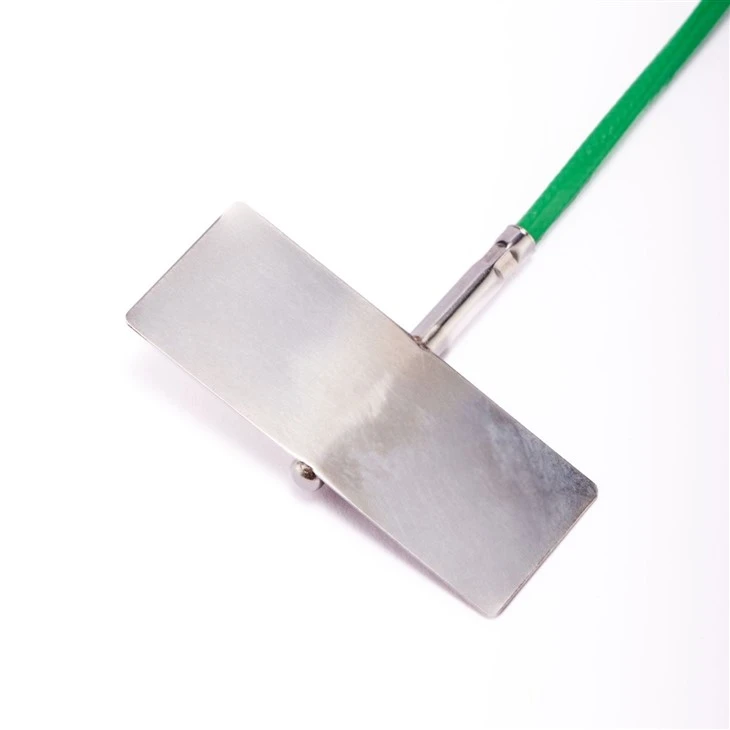
- Accuracy: Look for thermometers with high accuracy. A small error in temperature measurement can have significant consequences, especially in industries where precise temperature control is crucial. For more accurate options, you can consider the High Accuracy Step - Type Temperature Sensor.
- Range: Ensure that the thermometer has a temperature range that covers the expected temperatures at all the monitoring locations. For example, if you are monitoring both a cold storage area and a hot production process, you'll need a thermometer with a wide temperature range.
- Durability: Since the thermometers will be moved around and potentially exposed to different environments, they need to be durable. Look for models with robust construction and protective features.
Setting Up a Monitoring Schedule
A well - defined monitoring schedule is essential for effective multi - location temperature monitoring. Determine how often you need to check each location. In some cases, hourly checks might be necessary, while in others, daily or weekly checks could be sufficient.
Create a log or a spreadsheet to record the temperature readings at each location and the time of measurement. This will help you track any trends or fluctuations over time. You can also use this data to identify potential problems, such as a gradual increase in temperature at a particular location, which could indicate a malfunctioning cooling system.

Using Multiple Thermometers
One straightforward approach to monitoring multiple locations is to use multiple plug mounted thermometers. Place one thermometer at each location and leave it there for continuous monitoring.
However, this method can be costly, especially if you have a large number of locations to monitor. Additionally, you'll need to ensure that each thermometer is properly calibrated and functioning correctly.
Rotating a Single Thermometer
If cost is a concern, you can rotate a single plug mounted thermometer between different locations. This requires a bit more organization, but it can be an effective way to monitor multiple areas without investing in multiple devices.
When rotating the thermometer, make sure to clean it properly between each use to avoid cross - contamination. Also, allow the thermometer to equilibrate to the new environment before taking a reading. This might take a few minutes, depending on the temperature difference between the locations.
Wireless and Networked Solutions
For more advanced and efficient multi - location monitoring, consider wireless or networked plug mounted thermometers. These thermometers can transmit temperature data wirelessly to a central monitoring system, allowing you to monitor multiple locations from a single dashboard.
This type of solution offers real - time monitoring, which is especially useful in situations where immediate action needs to be taken in case of a temperature deviation. Some wireless thermometers also have the ability to send alerts via email or SMS when the temperature goes outside the set range.
Integration with Other Systems
In some cases, you might want to integrate your plug mounted thermometers with other systems in your facility. For example, you could connect them to your building management system or your production control system.
This integration allows for more automated responses. For instance, if the temperature in a storage area exceeds a certain threshold, the system could automatically trigger an alarm or adjust the cooling system.
Troubleshooting and Maintenance
Regular maintenance is crucial to ensure the accuracy and reliability of your plug mounted thermometers. Check the batteries regularly (if they are battery - powered), and calibrate the thermometers according to the manufacturer's instructions.
If you encounter any problems with the thermometers, such as inaccurate readings or connectivity issues, refer to the user manual or contact the manufacturer's support team.
Conclusion
Using a plug mounted thermometer to monitor multiple locations requires careful planning, the right equipment, and a well - defined monitoring schedule. Whether you choose to use multiple thermometers, rotate a single one, or opt for a wireless solution, the key is to ensure that you are getting accurate and timely temperature data.
If you are interested in purchasing high - quality plug mounted thermometers or need more information about our products, please feel free to contact us for a detailed discussion. We are committed to providing you with the best solutions for your temperature monitoring needs.
References
- "Temperature Measurement Handbook", published by a leading industry research group.
- Manufacturer's manuals for various plug mounted thermometers.


