


Installing a ring terminal thermometer in a pipe is a crucial task that requires precision and understanding. As a supplier of high - quality ring terminal thermometers, I am here to guide you through the process step by step.
Understanding the Ring Terminal Thermometer
Before we start the installation process, it's essential to understand what a ring terminal thermometer is and its benefits. A ring terminal thermometer is a device designed to measure the temperature of a fluid or gas flowing through a pipe. It is equipped with a ring - shaped terminal that allows for easy connection to the pipe. This type of thermometer is known for its accuracy, durability, and ease of use.
Tools and Materials Needed
To install a ring terminal thermometer in a pipe, you will need the following tools and materials:
- Ring Terminal Thermometer: Ensure that you have the right type and size of the thermometer for your pipe. Different pipes may require different specifications of the thermometer.
- Pipe Wrench: This is used to loosen and tighten the nuts and bolts during the installation process.
- Sealant: A good quality sealant is necessary to prevent any leakage from the connection point between the thermometer and the pipe.
- Measuring Tape: To measure the diameter of the pipe accurately, which helps in choosing the right - sized thermometer.
- Screwdriver: For any additional screws or fasteners that may be required.
Step 1: Prepare the Pipe
The first step in installing a ring terminal thermometer is to prepare the pipe. Start by shutting off the flow of the fluid or gas in the pipe. This is a safety precaution to prevent any accidents during the installation process. Use a measuring tape to measure the diameter of the pipe. This measurement is crucial as it will help you select the appropriate size of the ring terminal thermometer.
Clean the area of the pipe where the thermometer will be installed. Remove any dirt, rust, or debris that may be present on the surface. A clean surface ensures a proper seal and accurate temperature measurement.
Step 2: Select the Right Location
Choosing the right location for the thermometer is vital. The location should be representative of the overall temperature of the fluid or gas in the pipe. Avoid areas near heat sources or areas where the flow of the fluid is turbulent. A good location is usually in a straight section of the pipe where the fluid flow is stable.
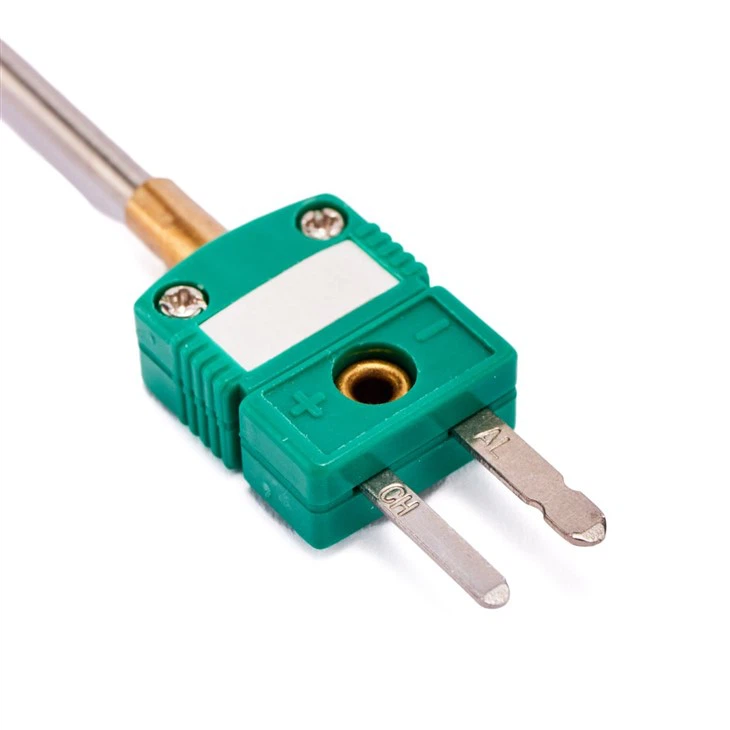

Mark the location on the pipe where you will install the thermometer. This will help you align the thermometer correctly during the installation process.
Step 3: Install the Ring Terminal Thermometer
Once you have prepared the pipe and selected the location, it's time to install the thermometer. First, apply a thin layer of sealant around the ring terminal of the thermometer. This will create a watertight seal and prevent any leakage.
Insert the thermometer into the marked location on the pipe. Make sure that the thermometer is inserted straight and that the ring terminal is properly seated against the pipe surface. Use a pipe wrench to tighten the nuts or bolts that secure the thermometer to the pipe. Be careful not to over - tighten, as this may damage the thermometer or the pipe.
Step 4: Connect the Wires
After installing the thermometer on the pipe, you need to connect the wires. Most ring terminal thermometers come with wires that need to be connected to a control panel or a monitoring device. Follow the manufacturer's instructions carefully when connecting the wires. Make sure that the connections are secure and that there are no loose wires.
Step 5: Test the Thermometer
Once the installation is complete, it's time to test the thermometer. Turn on the flow of the fluid or gas in the pipe and allow the system to stabilize. Check the reading on the thermometer to ensure that it is accurate. You can compare the reading with a known - accurate temperature source to verify its accuracy.
If the thermometer is not reading correctly, check the connections and the installation to make sure that everything is in place. If necessary, make any adjustments or corrections.
Other Related Products
In addition to ring terminal thermometers, we also offer a range of other temperature - measuring products. For example, you may be interested in our Plug Mounted Thermometer, which is suitable for applications where a quick and easy installation is required. Our Thread Mounted Temperature Sensor is another option, providing a more secure and precise measurement. And if you need a flexible solution, our Adjustable Thread Mount Temperature Sensor allows for easy adjustment according to your specific needs.
Contact for Purchase and Consultation
If you are interested in purchasing our ring terminal thermometers or any of our other temperature - measuring products, we encourage you to contact us for further discussion. Our team of experts is ready to assist you in choosing the right product for your application and providing you with all the necessary technical support. Whether you have a small - scale project or a large - scale industrial application, we can offer you the best solutions.
References
- ASME PTC 19.3 - Thermometers and Thermocouples.
- ASTM E220 - Standard Test Method for Calibration of Thermocouples by Comparison Techniques.


