


Hey there, folks! If you're in the industry where measuring differential pressure is a big deal, you've come to the right place. I'm from a pressure transducer supplier, and today, I'm gonna share with you all the ins and outs of how to measure differential pressure with a pressure transducer.
First things first, let's understand what differential pressure is. Simply put, differential pressure is the difference in pressure between two points. It's super crucial in various applications like HVAC systems, industrial process control, and even in medical devices. Measuring it accurately can make or break the performance of these systems.
Now, let's talk about pressure transducers. These little devices are the key to measuring differential pressure. They work by converting the pressure difference into an electrical signal that can be easily read and analyzed. Different types of pressure transducers have different ways of doing this, but the basic principle remains the same.
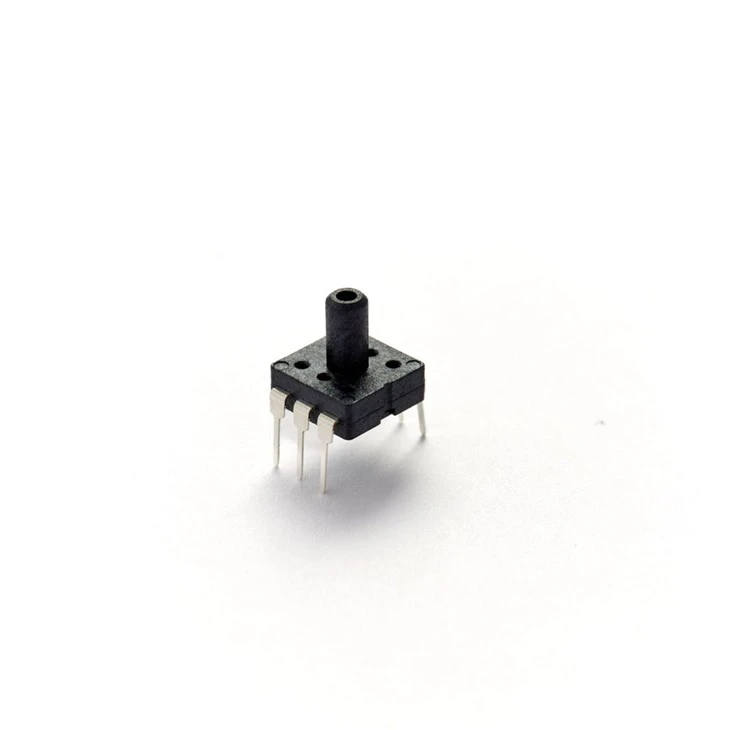
One of the most common types of pressure transducers we offer is the High - Accuracy Board - Mount Digital Differential Pressure Sensor. This bad boy is perfect for applications where precision is everything. It can be easily mounted on a circuit board, which makes it a great choice for compact systems. The digital output means you can get accurate and reliable readings, and it's also pretty easy to interface with other digital components in your system.
Another popular option is the I2C Digital Output Board Mount Pressure Sensor. This sensor uses the I2C communication protocol, which is widely used in the industry. It's a great choice for systems that require a fast and efficient way to transfer data. The board - mount design makes it easy to integrate into your existing setup, and the digital output ensures that you get consistent and accurate readings.
If you're looking for something a bit more basic, our Millivolt Output Board Mount Pressure Sensor might be the right fit for you. This sensor provides a millivolt output that is proportional to the pressure difference. It's a cost - effective option that still offers good accuracy. It's also easy to install and use, making it a popular choice for many applications.
The I2C Digital Output Board Mount Pressure Sensor is another great choice for those who need a digital output and a easy - to - integrate design. It's capable of providing high - resolution data, which is very useful in applications where you need to monitor small changes in pressure.
For applications that require a more robust and enclosed sensor, our TO - 8 Millivolt Output Pressure Sensor is a top pick. The TO - 8 package provides good protection for the internal components, making it suitable for harsh environments. And the millivolt output allows for easy connection to other measurement devices.
Now, let's dive into the steps of measuring differential pressure with a pressure transducer.
Step 1: Choose the Right Transducer
As I mentioned earlier, we have a variety of pressure transducers to choose from. You need to consider factors like the range of pressure you're going to measure, the accuracy requirements, the output type, and the environment in which the transducer will be used. If you're not sure which one is the best for your application, don't hesitate to reach out to us.
Step 2: Install the Transducer
Proper installation is crucial for accurate measurements. First, make sure you mount the transducer in a stable position. For board - mount sensors, follow the manufacturer's instructions on how to solder them onto the circuit board. For other types, make sure they are securely attached to the process piping or the equipment where the pressure is being measured.
Next, connect the pressure ports correctly. One port should be connected to the high - pressure side, and the other to the low - pressure side. Make sure the connections are tight and there are no leaks. Any leaks can significantly affect the accuracy of the measurements.
Step 3: Connect the Electrical Output
Depending on the type of output (digital or millivolt), you need to connect the transducer to the appropriate measurement device. For digital output sensors, you'll need to connect them to a microcontroller or a data acquisition system that supports the communication protocol (like I2C). For millivolt output sensors, you can connect them to a voltmeter or an amplifier to read the output.
Step 4: Calibrate the Transducer
Calibration is an important step to ensure the accuracy of your measurements. You can use a known pressure source to calibrate the transducer. Compare the output of the transducer with the known pressure value and adjust the calibration settings if necessary. Most modern transducers come with calibration procedures that are relatively easy to follow.
Step 5: Take Measurements
Once the transducer is installed, connected, and calibrated, you're ready to start taking measurements. Monitor the output of the transducer over time to ensure that the pressure differential is within the expected range. If you notice any abnormal readings, check the installation, connections, and calibration again.
In addition to the basic steps, there are also some tips and tricks to keep in mind when measuring differential pressure with a pressure transducer.

- Regular Maintenance: Just like any other piece of equipment, pressure transducers need regular maintenance. Check for any signs of wear and tear, clean the sensors if necessary, and make sure the connections are still tight.
- Temperature Compensation: Temperature can affect the performance of pressure transducers. Some transducers come with built - in temperature compensation, but if yours doesn't, you may need to take this into account when analyzing the measurements.
- Noise Reduction: Electrical noise can interfere with the output of the transducer. Use proper shielding and grounding techniques to reduce noise and get more accurate readings.
Well, that's pretty much all about how to measure differential pressure with a pressure transducer. If you're in the market for a pressure transducer for your application, we've got a wide range of options to meet your needs. Whether you need high - accuracy, digital output, or a robust design, we've got you covered.
If you have any questions or want to discuss your specific requirements, feel free to reach out to us. We're here to help you find the perfect pressure transducer for your project. Let's work together to ensure accurate and reliable differential pressure measurements!
References
- "Pressure Measurement Principles" by some well - known industry experts.
- Technical documentation of our pressure transducers.


