


Mounting a Single-Ended Beam Load Cell on a structure requires careful planning and execution to ensure accurate measurement and long-term reliability. As a trusted Single-Ended Beam Load Cell supplier, we are here to guide you through the process, offering tips and best practices to help you complete the installation successfully.
Understanding Single-Ended Beam Load Cells
Single-Ended Beam Load Cells are a type of force sensor used to measure weight or force in various industrial applications. Their design typically features a single, fixed end and a free end where the load is applied. When a force is exerted on the free end, the beam bends slightly, which is detected by strain gauges incorporated into the load cell. These strain gauges convert the mechanical deformation into an electrical signal, which can then be measured and used to calculate the applied force.
Before you start mounting, it's essential to understand the technical specifications of your Single-Ended Beam Load Cell. This includes its capacity, accuracy class, output signal, and operating temperature range. Refer to the Single-Ended Beam Load Cell product page for detailed information about the load cells we offer.
Pre-Installation Considerations
Selecting the Right Location
The first step in mounting a Single-Ended Beam Load Cell is to select an appropriate location on the structure. The location should provide a stable and flat surface for mounting. Avoid areas that are subject to excessive vibration, shock, or temperature variations, as these factors can affect the accuracy of the load cell. Additionally, ensure that the load will be applied vertically and centered on the load cell's measuring point to prevent off-axis loading, which can lead to inaccurate measurements.
Surface Preparation
The mounting surface must be clean, smooth, and free of any debris, rust, or paint. Use a fine-grit sandpaper to remove any roughness, and then wipe the surface with a clean, dry cloth. If necessary, use a solvent to remove any stubborn contaminants. A flat and clean surface ensures proper contact between the load cell and the structure, which is crucial for accurate force transmission and measurement.
Checking for Compatibility
Verify that the structure can support the load capacity of the Single-Ended Beam Load Cell. Consider the maximum load that the load cell will be subjected to during normal operation, as well as any potential overloads. Ensure that the structural integrity of the mounting surface is sufficient to handle these loads without deformation or failure. If you are unsure about the compatibility, consult a structural engineer for advice.
Mounting Procedures
Using the Correct Hardware
Most Single-Ended Beam Load Cells come with mounting holes and require specific hardware for installation. Use high-quality bolts, washers, and nuts that are suitable for the load cell's specifications and the material of the structure. Tighten the bolts to the recommended torque value provided by the manufacturer to ensure a secure and stable connection. Over-tightening or under-tightening the bolts can cause stress concentration or movement of the load cell, leading to inaccurate measurements or damage.
Proper Alignment
Align the load cell precisely with the mounting surface and the load application point. Use shims or spacers if necessary to ensure that the load cell is level and centered. Misalignment can introduce additional stresses and errors in the measurement. Check the alignment using a spirit level and make any necessary adjustments before finalizing the installation.
Electrical Connections
Once the load cell is mechanically mounted, it's time to make the electrical connections. Connect the load cell to the signal conditioning equipment, such as an amplifier or a data acquisition system. Follow the wiring diagram provided by the manufacturer to ensure correct polarity and proper connection. Use shielded cables to minimize electrical interference, and secure the cables to prevent them from being pulled or damaged during operation.
Testing and Calibration
After mounting the Single-Ended Beam Load Cell, it's crucial to perform a series of tests and calibrations to ensure its proper functioning.
Initial Testing
Conduct an initial test to check for any obvious problems, such as loose connections, short circuits, or abnormal readings. Apply a known load to the load cell and observe the output signal. Compare the measured value with the expected value based on the load cell's specifications. If there are significant discrepancies, check the wiring, connections, and mounting for any issues.
Calibration
Calibration is the process of adjusting the load cell's output to match a known reference value. This is typically done using a calibration weight or a calibrated force source. Follow the calibration procedure recommended by the manufacturer to ensure accurate and reliable results. Calibration should be performed periodically to account for any drift or changes in the load cell's performance over time.
Maintenance and Troubleshooting
To ensure the long-term performance of your Single-Ended Beam Load Cell, regular maintenance is essential.

Inspection
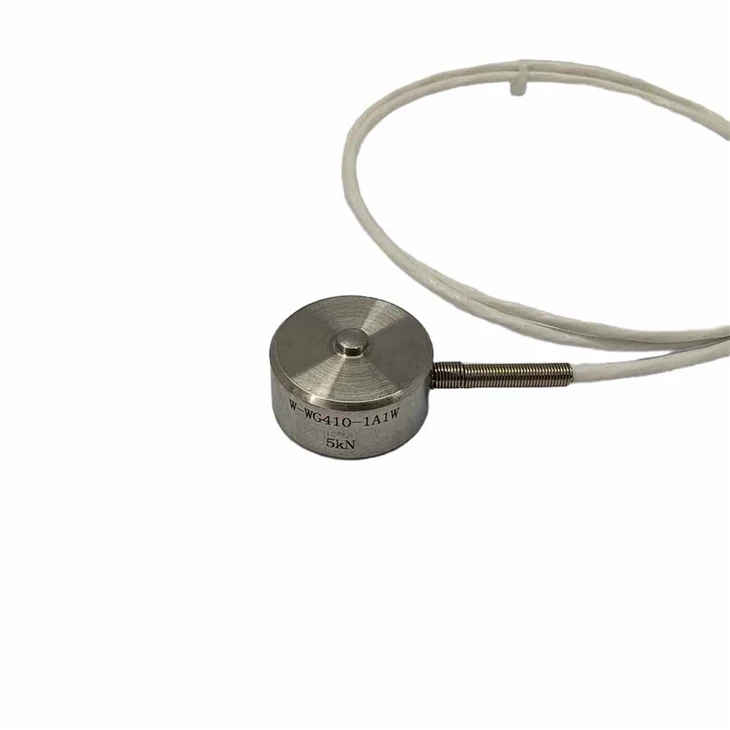
Periodically inspect the load cell for any signs of damage, such as cracks, corrosion, or loose connections. Check the mounting hardware for tightness and the cables for signs of wear or damage. Address any issues immediately to prevent further damage or inaccurate measurements.
Cleaning
Keep the load cell clean and free of dust, dirt, and debris. Use a clean, dry cloth to wipe the surface of the load cell. If necessary, use a mild detergent and water to clean the load cell, but make sure to dry it thoroughly before use.
Troubleshooting
If you encounter any problems with the load cell, such as inaccurate readings or abnormal behavior, refer to the troubleshooting guide provided by the manufacturer. Common issues include electrical interference, mechanical damage, or improper calibration. If you are unable to resolve the problem, contact our technical support team for assistance.
Why Choose Our Single-Ended Beam Load Cells
As a leading supplier of load cells, we offer a wide range of Single-Ended Beam Load Cells that are designed to meet the highest standards of quality and performance. Our load cells are manufactured using advanced technology and materials, ensuring accurate and reliable measurements in various industrial applications. We also provide comprehensive technical support and after-sales service to help you with the installation, calibration, and maintenance of your load cells.
In addition to Single-Ended Beam Load Cells, we also offer Industrial Strain Gauge Load Cells and Bellow Beam Load Cells, which are suitable for different types of applications. Whether you need a load cell for a simple weighing system or a complex industrial process, we have the right solution for you.
Contact Us for Your Load Cell Needs
If you are interested in purchasing Single-Ended Beam Load Cells or need more information about our products and services, please feel free to contact us. Our experienced sales team is ready to assist you with your inquiries and help you find the best load cell solution for your specific requirements. We look forward to working with you and helping you achieve accurate and reliable force measurement in your applications.
References
- Load Cell Handbook, [Publisher Name], [Year of Publication]
- Industrial Measurement and Control Systems: Principles and Applications, [Author Names], [Publication Year]

