


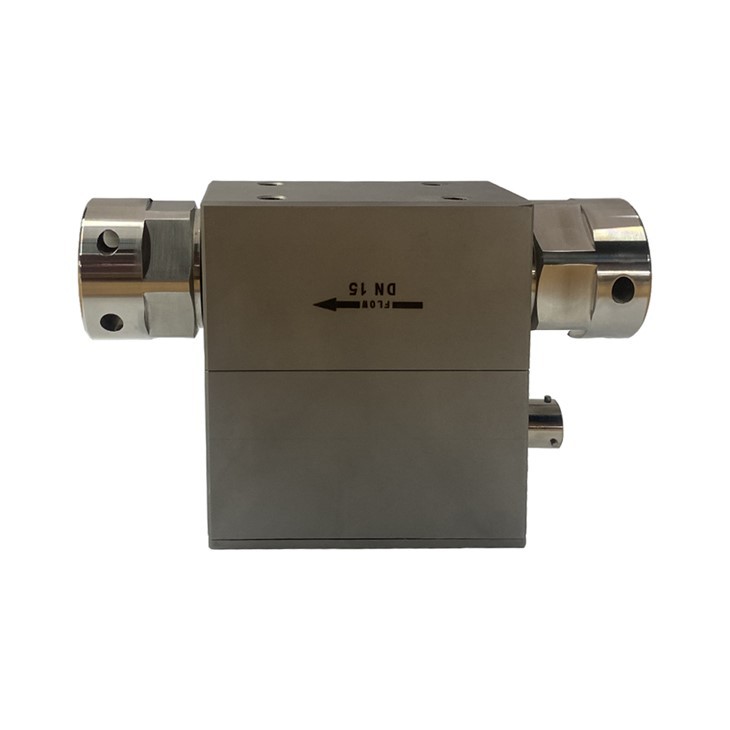
In many industrial and commercial applications, accurately measuring low - flow rates is a challenging yet crucial task. Electromagnetic flow meters are widely recognized for their reliability and accuracy in measuring the flow of conductive fluids. As a leading supplier of Electromagnetic Flow Meter, we understand the intricacies involved in optimizing the performance of these meters in low - flow applications. This blog will delve into the key factors and strategies to achieve optimal performance in such scenarios.
Understanding the Basics of Electromagnetic Flow Meters
Before discussing optimization, it's essential to understand how electromagnetic flow meters work. These meters operate based on Faraday's law of electromagnetic induction. When a conductive fluid flows through a magnetic field generated by the meter, a voltage is induced. This induced voltage is directly proportional to the flow velocity of the fluid. The meter then measures this voltage and converts it into a flow rate reading.
In low - flow applications, the induced voltage is relatively small, which can make accurate measurement more difficult. Factors such as fluid conductivity, pipe size, and the presence of noise can all have a significant impact on the meter's performance.
Fluid Conductivity
Fluid conductivity is a critical factor in the operation of electromagnetic flow meters. In low - flow applications, ensuring sufficient fluid conductivity is essential for generating a measurable induced voltage. Conductivity is typically measured in Siemens per meter (S/m).
- Conductivity Requirements: Most electromagnetic flow meters require a minimum fluid conductivity to operate accurately. For low - flow applications, it's important to select a meter that can handle the specific conductivity range of the fluid. In some cases, if the fluid conductivity is too low, it may be necessary to add a conductive additive to the fluid. However, this should be done with caution, as it can introduce other issues such as chemical compatibility and fouling.
- Conductivity Monitoring: Regularly monitoring the fluid conductivity can help identify any changes that may affect the meter's performance. A conductivity meter can be used to measure the conductivity of the fluid at the inlet of the electromagnetic flow meter. If the conductivity falls below the recommended range, appropriate action can be taken, such as adjusting the process or replacing the meter.
Pipe Size and Installation
The size of the pipe in which the electromagnetic flow meter is installed can have a significant impact on its performance, especially in low - flow applications.
- Proper Pipe Sizing: Selecting the correct pipe size is crucial. A pipe that is too large for the low - flow rate can result in a very low flow velocity, which may not generate a sufficient induced voltage. On the other hand, a pipe that is too small can cause high - pressure drops and turbulence, which can also affect the accuracy of the measurement. It's important to choose a pipe size that allows for a reasonable flow velocity within the meter.
- Installation Considerations: The installation of the electromagnetic flow meter also plays a vital role. The meter should be installed in a straight section of the pipe to ensure a uniform flow profile. Upstream and downstream straight - pipe runs are typically required to minimize the effects of turbulence. Generally, a minimum of 5 - 10 pipe diameters of straight pipe upstream and 2 - 5 pipe diameters downstream of the meter is recommended. Additionally, the meter should be installed in a location where it is easily accessible for maintenance and calibration.
Signal Processing and Noise Reduction
In low - flow applications, the induced voltage is small, making the signal more susceptible to noise. Effective signal processing and noise reduction techniques are essential to ensure accurate measurement.
- Signal Amplification: The meter's electronics should be capable of amplifying the small induced voltage without introducing excessive noise. Advanced signal - amplification circuits can be used to boost the signal while maintaining a high signal - to - noise ratio.
- Filtering: Filtering techniques can be employed to remove unwanted noise from the signal. Low - pass filters can be used to eliminate high - frequency noise, while notch filters can be used to target specific frequencies of interference. Digital signal processing algorithms can also be used to further enhance the signal quality.
- Grounding: Proper grounding is crucial to reduce electrical noise. The electromagnetic flow meter should be grounded correctly to prevent electrostatic interference and ensure a stable electrical reference.
Calibration and Maintenance
Regular calibration and maintenance are essential for optimizing the performance of electromagnetic flow meters in low - flow applications.
- Calibration: Calibration ensures that the meter is providing accurate flow rate readings. In low - flow applications, where the measurement errors can have a more significant impact, frequent calibration is recommended. Calibration can be performed using a known flow standard, such as a volumetric or gravimetric calibration rig.
- Maintenance: Routine maintenance tasks include checking for any signs of wear or damage to the meter, cleaning the electrodes, and inspecting the wiring. Fouling of the electrodes can occur over time, especially in applications where the fluid contains suspended solids or contaminants. Cleaning the electrodes can help restore the meter's performance.
Use of Intrinsically Safe Flowmeters
In some low - flow applications, such as those in hazardous environments, the use of Intrinsically Safe Flowmeter may be necessary. These flow meters are designed to operate safely in potentially explosive atmospheres by limiting the energy available to cause an ignition.
- Safety Considerations: Intrinsically safe flow meters are certified to meet specific safety standards. They are designed with features such as low - power electronics and explosion - proof enclosures. When selecting an intrinsically safe flow meter for a low - flow application, it's important to ensure that it meets the requirements of the hazardous area classification.
- Performance Optimization: Despite the safety constraints, these flow meters can still be optimized for low - flow performance. The same principles of fluid conductivity, pipe sizing, signal processing, and calibration apply. However, additional care must be taken during installation and maintenance to ensure that the safety features are not compromised.
Conclusion
Optimizing the performance of an electromagnetic flow meter in a low - flow application requires a comprehensive approach that takes into account factors such as fluid conductivity, pipe size, signal processing, calibration, and maintenance. As a trusted supplier of electromagnetic flow meters, we have the expertise and experience to help you select the right meter for your specific application and provide the support needed to ensure optimal performance.
If you are facing challenges in measuring low - flow rates or are looking to upgrade your existing flow measurement system, our team of experts is ready to assist you. Contact us today to discuss your requirements and explore how our electromagnetic flow meters can meet your needs. We are committed to providing high - quality products and exceptional customer service, and we look forward to partnering with you to achieve accurate and reliable flow measurement in your low - flow applications.

References
- ISO 6817:2014, “Measurement of liquid flow in closed conduits - Electromagnetic flowmeters.”
- ASTM D4481 - 09(2015), “Standard Test Method for Conductivity of Water.”
- Flow Measurement Handbook: Industrial Designs and Applications, by Richard W. Miller.

