


Lightning strikes pose a significant threat to single point load cells, which are crucial components in various weighing and force measurement applications. As a single point load cell supplier, I understand the importance of protecting these devices from the potentially damaging effects of lightning. In this blog post, I will share some practical tips on how to safeguard single point load cells from lightning strikes.
Understanding the Threat of Lightning to Single Point Load Cells
Lightning is a natural electrical discharge that can carry extremely high voltages and currents. When a lightning strike occurs nearby, it can induce a large electrical surge in the surrounding environment. This surge can travel through power lines, communication cables, and even the ground, reaching the single point load cell and causing damage.
The damage caused by lightning to single point load cells can range from minor malfunctions to complete destruction. In some cases, the internal circuitry of the load cell may be damaged, leading to inaccurate measurements or a complete failure of the device. Additionally, the mechanical components of the load cell, such as the strain gauges, may be affected, resulting in a loss of sensitivity or a change in the calibration of the device.
Grounding and Bonding
One of the most effective ways to protect single point load cells from lightning strikes is to ensure proper grounding and bonding. Grounding provides a low-resistance path for the electrical current to flow safely into the ground, while bonding connects all metal components together to prevent the buildup of static electricity and to equalize the electrical potential.
- Proper Grounding: The single point load cell should be connected to a reliable ground system. This can be achieved by using a dedicated grounding rod or by connecting the load cell to an existing grounding network. The grounding conductor should be of sufficient size to handle the expected electrical current and should be installed in accordance with local electrical codes.
- Bonding: All metal components in the vicinity of the single point load cell, including the weighing platform, support structure, and electrical enclosures, should be bonded together. This can be done using bonding straps or conductors to create a continuous electrical path. Bonding helps to prevent the formation of electrical arcs and to reduce the risk of damage from lightning-induced surges.
Surge Protection Devices
Surge protection devices (SPDs) are another important tool for protecting single point load cells from lightning strikes. SPDs are designed to divert the excess electrical energy from a lightning surge away from the load cell and into the ground.
- Type of SPDs: There are several types of SPDs available, including voltage-dependent resistors (VDRs), metal oxide varistors (MOVs), and gas discharge tubes (GDTs). Each type of SPD has its own characteristics and is suitable for different applications. When selecting an SPD for a single point load cell, it is important to consider the voltage rating, current capacity, and response time of the device.
- Installation: SPDs should be installed as close as possible to the single point load cell to minimize the length of the electrical path between the load cell and the SPD. The SPD should be connected in parallel with the load cell and should be properly grounded. Additionally, it is important to ensure that the SPD is rated for the specific voltage and current requirements of the load cell.
Shielding
Shielding can also help to protect single point load cells from lightning strikes by reducing the electromagnetic interference (EMI) caused by the lightning surge. Shielding involves enclosing the load cell and its associated wiring in a conductive material, such as metal, to block the electromagnetic fields generated by the lightning.
- Shielded Cables: Using shielded cables for the electrical connections between the single point load cell and the weighing instrument can help to reduce the EMI. The shield of the cable should be properly grounded at both ends to ensure effective shielding.
- Metal Enclosures: Installing the single point load cell in a metal enclosure can also provide additional shielding. The metal enclosure should be properly grounded to create a Faraday cage effect, which helps to block the electromagnetic fields from entering the enclosure.
Lightning Rods and Surge Arresters
In areas with a high risk of lightning strikes, the installation of lightning rods and surge arresters can provide an additional layer of protection for single point load cells.
- Lightning Rods: Lightning rods are designed to attract lightning strikes and provide a safe path for the electrical current to flow into the ground. By installing lightning rods on the building or structure where the single point load cell is located, the risk of a direct lightning strike to the load cell can be significantly reduced.
- Surge Arresters: Surge arresters are similar to SPDs but are typically used for larger electrical systems. Surge arresters can be installed at the main electrical service entrance of the building to protect the entire electrical system, including the single point load cell, from lightning-induced surges.
Regular Maintenance and Inspection
Regular maintenance and inspection of the single point load cell and its associated protection systems are essential to ensure their continued effectiveness.
- Visual Inspection: Conduct regular visual inspections of the load cell, grounding system, SPDs, and shielding to check for any signs of damage or wear. Look for loose connections, corrosion, or physical damage to the components.
- Testing: Periodically test the grounding system, SPDs, and other protection devices to ensure that they are functioning properly. This can be done using specialized testing equipment or by consulting a qualified electrical technician.
Conclusion
Protecting single point load cells from lightning strikes is crucial to ensure their reliable operation and accurate measurement. By implementing the strategies outlined in this blog post, including proper grounding and bonding, the use of surge protection devices, shielding, and the installation of lightning rods and surge arresters, you can significantly reduce the risk of damage to your single point load cells from lightning.
As a single point load cell supplier, I am committed to providing high-quality products and solutions to help our customers protect their load cells from lightning strikes. If you have any questions or need further assistance with protecting your single point load cells, please do not hesitate to contact us. We are here to help you ensure the safety and reliability of your weighing and force measurement systems.
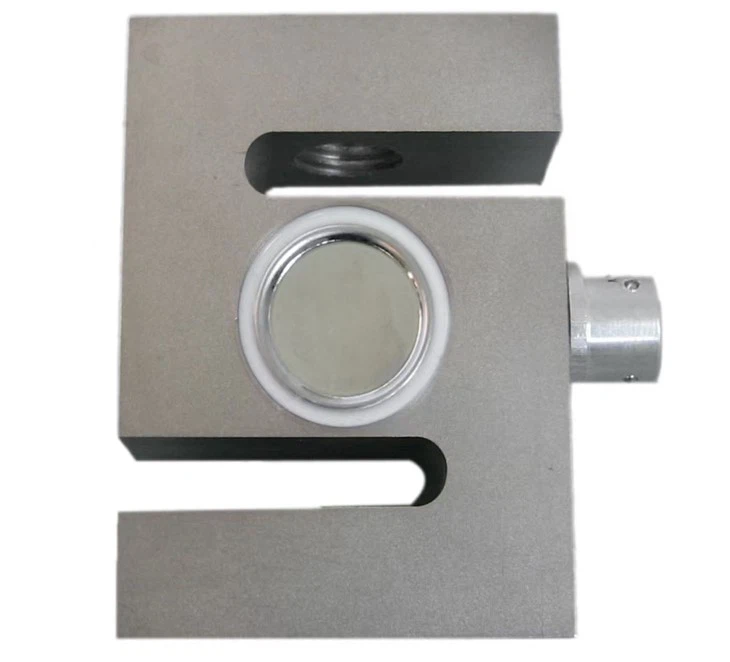
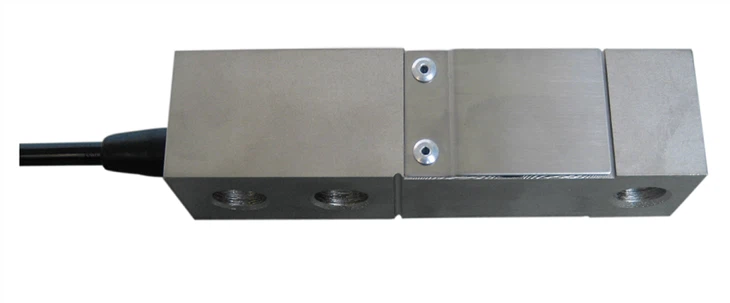
If you are interested in purchasing single point load cells or other related products, such as Bellow Beam Load Cell, Single-Ended Beam Load Cell, or S-Beam Load Cell, please feel free to reach out to us for more information and to discuss your specific requirements. We look forward to working with you to meet your weighing and force measurement needs.
References
- National Fire Protection Association (NFPA). NFPA 780: Standard for the Installation of Lightning Protection Systems.
- International Electrotechnical Commission (IEC). IEC 61643-12: Low-voltage surge protective devices - Part 12: Surge protective devices connected to low-voltage power systems - Requirements and tests.
- Underwriters Laboratories (UL). UL 497B: Standard for Surge Protective Devices for Data, Communications, and Signaling Circuits.

