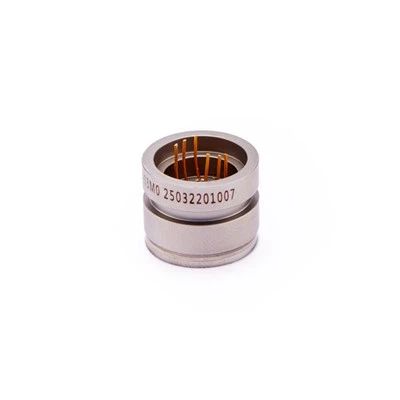
Hey there! As a supplier of Electronic Pressure Switches, I've seen firsthand the growing preference for these nifty devices over their mechanical counterparts. In this blog, I'll break down the advantages of electronic pressure switches, and why you might want to make the switch (pun intended!) for your next project.
1. Precision and Accuracy
One of the biggest perks of electronic pressure switches is their precision. Mechanical pressure switches rely on springs and other moving parts to detect pressure changes. Over time, these parts can wear out, leading to inaccurate readings. Think of it like an old watch with a worn - out spring; it might not tell the time as accurately as it used to.
On the other hand, electronic pressure switches use advanced sensors. These sensors can measure pressure down to very fine increments. For instance, in an industrial application where the pressure needs to be maintained within a narrow range, an electronic pressure switch can provide real - time, highly accurate readings. Say you're running a chemical process where a slight pressure variation can lead to a sub - standard product or even a safety hazard. An electronic pressure switch, like our Electronic Pressure Switch, can keep tabs on the pressure with pinpoint accuracy, ensuring smooth and safe operations.
2. Flexibility in Setting
Setting up a mechanical pressure switch can be a bit of a hassle. You usually have to manually adjust springs or other mechanical components. This process not only requires some technical know - how but also limits your ability to make quick changes. It's like trying to tune a guitar without a proper tuner; you might get close, but it's not always easy to hit the right note.
Electronic pressure switches, however, offer much more flexibility. You can set the pressure thresholds digitally, often through a simple interface. This means you can change the set points on the fly, depending on your operational needs. Whether you're adjusting the pressure for different production runs or responding to a sudden change in process conditions, an electronic pressure switch makes it a breeze. For a compact and user - friendly option, check out our PS101 Compact Pressure Switch. It allows you to easily program the pressure settings according to your specific requirements.
3. Durability and Reliability
Mechanical pressure switches have a lot of moving parts, which are prone to wear and tear. In harsh industrial environments, factors like vibration, shock, and temperature variations can take a toll on these parts. A single broken spring or a misaligned lever can render the switch useless, leading to costly downtime.
Electronic pressure switches, in contrast, have fewer moving parts. This makes them more resistant to the rigors of industrial use. They can withstand high levels of vibration and shock without losing their accuracy. Also, they are less affected by temperature changes, which means they can operate reliably in a wide range of environmental conditions. So, if you're looking for a pressure switch that can stand the test of time and tough conditions, an electronic one is the way to go.
4. Faster Response Time
In many applications, a fast response time is crucial. For example, in a hydraulic system, a sudden pressure spike can cause damage to the equipment if not detected and addressed quickly. Mechanical pressure switches have a relatively slow response time because of the physical movement of their components. It takes time for the springs to compress or expand and for the switch to actuate.
Electronic pressure switches, on the other hand, can detect pressure changes almost instantaneously. They use electronic circuits to process the pressure data and send signals, which allows for a much faster response. This rapid response can prevent equipment damage, improve system efficiency, and enhance overall safety.
5. Diagnostic and Monitoring Capabilities
Modern electronic pressure switches come with built - in diagnostic and monitoring features. These features can provide valuable insights into the performance of your system. For instance, they can track pressure trends over time, alert you when the pressure is approaching critical levels, and even diagnose potential problems before they turn into major issues.
Mechanical pressure switches don't offer these kinds of capabilities. They simply indicate when the pressure has reached a certain threshold. With an electronic pressure switch, you can keep a closer eye on your system, make informed maintenance decisions, and optimize your operations.
6. Energy Efficiency
In today's world, energy efficiency is a top priority. Electronic pressure switches are generally more energy - efficient than mechanical ones. They consume less power because they don't rely on large - scale mechanical movements. This not only helps to reduce your energy bills but also makes them a more environmentally friendly choice.
7. Compatibility with Modern Systems
As technology advances, more and more industrial systems are becoming automated and connected. Electronic pressure switches are designed to integrate seamlessly with these modern systems. They can communicate with programmable logic controllers (PLCs), data acquisition systems, and other digital devices. This allows for better control, monitoring, and automation of your processes.


Mechanical pressure switches, on the other hand, are more difficult to integrate with modern digital systems. They often require additional interfaces and conversions to work with these technologies. So, if you're looking to upgrade your system to a more advanced and automated setup, an electronic pressure switch is the obvious choice.
Time to Make a Change
If you're still using mechanical pressure switches in your operations, it might be time to consider making the switch to electronic ones. The advantages are clear: greater precision, flexibility, durability, faster response times, diagnostic capabilities, energy efficiency, and better compatibility with modern systems.
Whether you're in the manufacturing, automotive, oil and gas, or any other industry that relies on pressure control, our Electronic Pressure Switch range has the right solution for you. And if you need a smaller, more compact option, don't forget to check out our PS101 Compact Pressure Switch.
If you're interested in learning more about our products or discussing your specific requirements, don't hesitate to reach out. We're here to help you find the perfect electronic pressure switch for your needs and ensure a smooth transition from mechanical switches. Let's work together to improve your system's performance, efficiency, and reliability.
References
- "Industrial Pressure Switch Technologies." Industry Insights Journal, 2022.
- "Advantages of Electronic vs. Mechanical Devices in Pressure Control." Tech Review Quarterly, 2023.