


S-Beam load cells are a crucial component in many industrial and commercial applications, offering a wide range of advantages that make them a popular choice for measuring force and weight. As a leading supplier of S-Beam load cells, I have witnessed firsthand the benefits that these devices bring to various industries. In this blog post, I will explore the advantages of using S-Beam load cells and why they are an excellent choice for your weighing and force measurement needs.

High Accuracy and Precision
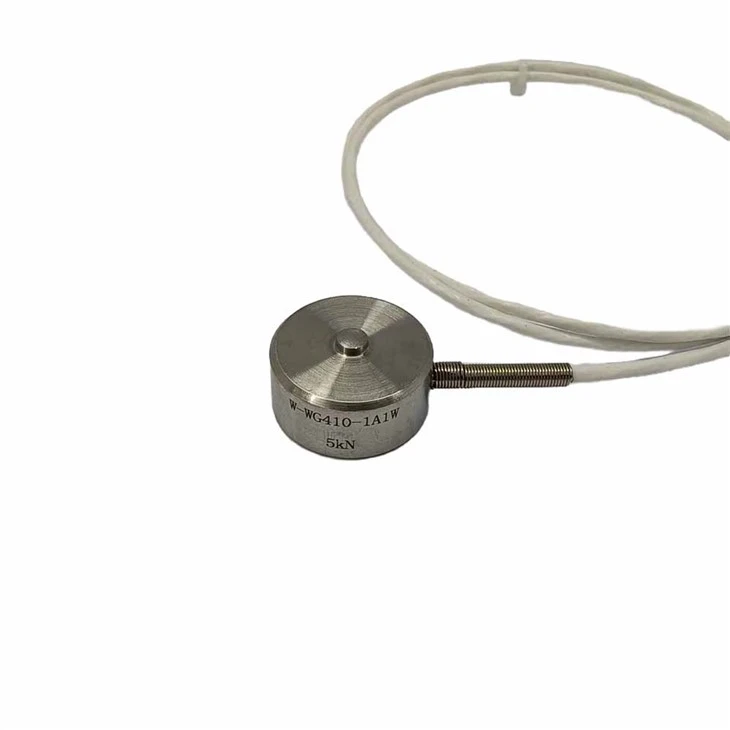
One of the primary advantages of S-Beam load cells is their high accuracy and precision. These load cells are designed to provide accurate measurements of force and weight, even in challenging environments. They are typically made from high-quality materials, such as stainless steel or aluminum, which ensures their durability and reliability. The strain gauges used in S-Beam load cells are carefully calibrated to provide accurate readings, with a high degree of linearity and repeatability. This makes them ideal for applications where precise measurements are required, such as in the food and beverage industry, pharmaceuticals, and manufacturing.
Wide Range of Capacities
S-Beam load cells are available in a wide range of capacities, from a few kilograms to several tons. This makes them suitable for a variety of applications, from small-scale laboratory experiments to large-scale industrial weighing systems. Whether you need to measure the weight of a small object or the force exerted by a heavy machine, there is an S-Beam load cell that can meet your requirements. The ability to choose from a wide range of capacities allows you to select the load cell that is best suited for your specific application, ensuring accurate and reliable measurements.
Versatility
Another advantage of S-Beam load cells is their versatility. They can be used in a variety of applications, including tension and compression measurements. This makes them suitable for a wide range of industries, such as agriculture, automotive, aerospace, and construction. S-Beam load cells can be easily integrated into existing systems, making them a cost-effective solution for upgrading or expanding your weighing and force measurement capabilities. They can also be used in conjunction with other sensors and instrumentation to provide a comprehensive measurement solution.
Robust Design
S-Beam load cells are designed to withstand harsh environments and heavy loads. They are typically constructed from high-strength materials, such as stainless steel or aluminum, which provides excellent resistance to corrosion, wear, and tear. The design of S-Beam load cells also makes them resistant to shock and vibration, ensuring reliable performance even in demanding applications. This robust design makes them suitable for use in a variety of industries, including mining, oil and gas, and transportation.
Easy Installation and Maintenance
S-Beam load cells are relatively easy to install and maintain. They can be mounted directly onto the structure or equipment being measured, using standard mounting hardware. The wiring connections are also straightforward, making it easy to integrate the load cell into your existing system. In addition, S-Beam load cells require minimal maintenance, which helps to reduce downtime and operating costs. Regular calibration and inspection are recommended to ensure accurate and reliable performance, but these tasks can be easily performed by trained personnel.
Compatibility with Other Equipment
S-Beam load cells are compatible with a wide range of other equipment, including indicators, controllers, and data acquisition systems. This allows you to easily integrate the load cell into your existing system, or to build a new system from scratch. The compatibility of S-Beam load cells with other equipment also makes it easy to upgrade or expand your weighing and force measurement capabilities as your needs change. Whether you need to add additional load cells, or to connect the load cell to a computer or other device, there are a variety of options available to you.
Cost-Effective Solution
S-Beam load cells are a cost-effective solution for weighing and force measurement. They offer a high level of accuracy and precision at a relatively low cost, making them an attractive option for many industries. In addition, the long lifespan and low maintenance requirements of S-Beam load cells help to reduce operating costs over the long term. The ability to choose from a wide range of capacities and configurations also allows you to select the load cell that is best suited for your specific application, ensuring that you get the most value for your money.
Applications of S-Beam Load Cells
S-Beam load cells are used in a variety of applications, including:
- Weighing Systems: S-Beam load cells are commonly used in weighing systems, such as platform scales, hopper scales, and tank scales. They provide accurate and reliable measurements of the weight of the object being weighed, making them ideal for use in industrial and commercial applications.
- Force Measurement: S-Beam load cells can also be used to measure force, such as the tension or compression force exerted by a machine or structure. They are commonly used in applications such as material testing, fatigue testing, and tension monitoring.
- Industrial Automation: S-Beam load cells are an important component in industrial automation systems, where they are used to monitor and control the force and weight of materials and products. They are commonly used in applications such as robotics, conveyor systems, and packaging machines.
- Agriculture: S-Beam load cells are used in the agriculture industry to measure the weight of livestock, feed, and other agricultural products. They are also used in applications such as irrigation systems and grain storage facilities.
- Aerospace and Defense: S-Beam load cells are used in the aerospace and defense industries to measure the force and weight of aircraft, missiles, and other military equipment. They are also used in applications such as flight testing and structural analysis.
Comparison with Other Load Cell Types
While S-Beam load cells offer many advantages, it is important to consider other load cell types as well, depending on your specific application requirements. Here is a brief comparison of S-Beam load cells with some other common load cell types:
- Single Point Load Cell: Single Point Load Cell are designed for applications where the load is applied at a single point, such as in platform scales. They are typically more compact and less expensive than S-Beam load cells, but they may not be suitable for applications where the load is distributed over a larger area.
- Industrial Strain Gauge Load Cell: Industrial Strain Gauge Load Cell are a general-purpose load cell type that can be used in a variety of applications. They are similar to S-Beam load cells in terms of accuracy and precision, but they may have a different design and construction. Industrial strain gauge load cells are available in a wide range of capacities and configurations, making them suitable for a variety of applications.
- Single-Ended Beam Load Cell: Single-Ended Beam Load Cell are similar to S-Beam load cells, but they have a different design. They are typically used in applications where the load is applied at one end of the beam, such as in hopper scales and tank scales. Single-ended beam load cells are available in a wide range of capacities and configurations, making them suitable for a variety of applications.
Conclusion
In conclusion, S-Beam load cells offer a wide range of advantages that make them a popular choice for weighing and force measurement applications. Their high accuracy and precision, wide range of capacities, versatility, robust design, easy installation and maintenance, compatibility with other equipment, and cost-effectiveness make them an excellent choice for many industries. Whether you are looking to upgrade your existing weighing system, or to build a new system from scratch, S-Beam load cells are a reliable and cost-effective solution.
If you are interested in learning more about S-Beam load cells, or if you have any questions about our products and services, please do not hesitate to contact us. Our team of experts is available to assist you with your weighing and force measurement needs, and to provide you with the information and support you need to make an informed decision. We look forward to hearing from you and working with you to meet your requirements.
References
- O'Connor, T. (2018). Load Cell Handbook. Interface Inc.
- Doebelin, E. O. (2003). Measurement Systems: Application and Design. McGraw-Hill Education.
- ISO 376:2011. Metallic materials - Calibration of force-proving instruments used for the verification of uniaxial testing machines.


