


What is the cost of a load cell? This is a question that many potential buyers often ask. As a load cell supplier, I'm here to provide a comprehensive answer to this question, exploring the various factors that influence the cost of load cells and offering insights into how you can make an informed purchasing decision.
Understanding Load Cells
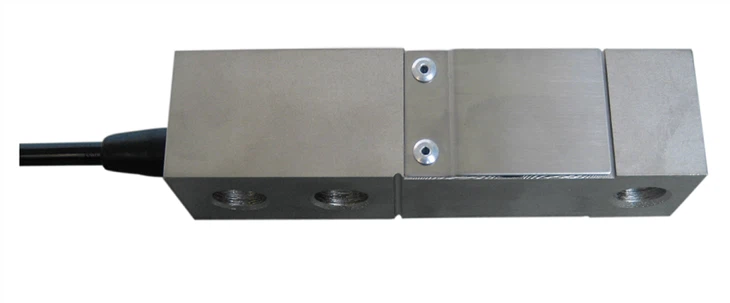
Before delving into the cost, it's essential to understand what load cells are and their applications. Load cells are transducers that convert a force, such as weight or tension, into an electrical signal. They are used in a wide range of industries, including manufacturing, agriculture, transportation, and healthcare. Common types of load cells include Single-Ended Beam Load Cell, S-Beam Load Cell, and Bellow Beam Load Cell. Each type has its unique features and is suitable for different applications.
Factors Affecting the Cost of Load Cells
- Type and Design
- Different types of load cells have different manufacturing processes and materials, which directly affect their cost. For example, single - ended beam load cells are relatively simple in design and are often used for general weighing applications. They are usually more affordable compared to more complex designs like S - beam load cells, which are designed for applications where both tension and compression forces need to be measured. Bellow beam load cells, with their special construction for high - precision and dynamic force measurement, can be even more expensive due to their advanced design and manufacturing requirements.
- Capacity
- The load capacity of a load cell is a significant factor in determining its cost. Load cells with higher capacities require more robust materials and precise manufacturing to ensure accurate measurement. For instance, a load cell designed to measure a few kilograms will be much cheaper than one capable of measuring several tons. The materials used to handle higher loads are often more expensive, and the manufacturing process needs to be more precise to maintain accuracy under heavy loads.
- Accuracy and Precision
- High - accuracy load cells are in demand for applications where precise measurement is crucial, such as in scientific research or high - end manufacturing. Achieving high accuracy requires advanced manufacturing techniques, better calibration, and more precise materials. A load cell with an accuracy of ±0.01% will cost significantly more than one with an accuracy of ±0.1%. The calibration process for high - precision load cells is also more time - consuming and expensive, as it involves sophisticated equipment and highly trained technicians.
- Environmental Resistance
- Load cells used in harsh environments need to be protected against factors such as moisture, dust, chemicals, and extreme temperatures. For example, load cells used in outdoor agricultural weighing systems or in chemical processing plants need to be waterproof, dust - proof, and corrosion - resistant. Special coatings, enclosures, and materials are used to achieve this environmental resistance, which adds to the cost of the load cell. A standard load cell for indoor use will be much cheaper than one designed for use in a marine environment, where it needs to withstand saltwater corrosion.
- Brand and Quality
- Well - known brands in the load cell industry often charge a premium for their products. This is because they have a reputation for quality, reliability, and excellent customer service. A brand that has been in the market for a long time and has a proven track record of producing high - quality load cells will generally be more expensive than a lesser - known brand. However, the higher cost may be justified by the peace of mind that comes with purchasing a reliable product and the support that the brand can offer in case of any issues.
Cost Ranges
The cost of load cells can vary widely depending on the factors mentioned above. For basic single - ended beam load cells with low capacity (up to 100 kg) and relatively low accuracy (±0.1%), the price can start from around $50 - $100. Mid - range load cells, such as S - beam load cells with a capacity of a few hundred kilograms and an accuracy of ±0.05%, can cost between $200 - $500. High - end load cells, like bellow beam load cells with high capacity (several tons) and high accuracy (±0.01%) for use in harsh environments, can cost upwards of $1000 or more.

Comparing Costs and Quality
When considering the cost of a load cell, it's important not to focus solely on the price. A cheaper load cell may seem like a good deal initially, but if it fails to meet your accuracy requirements or breaks down frequently, it can end up costing you more in the long run. For example, if you use a low - quality load cell in a manufacturing process where precise weighing is crucial, inaccurate measurements can lead to product defects, wasted materials, and potential loss of customers. On the other hand, investing in a high - quality load cell can improve the efficiency and reliability of your operations, reducing downtime and maintenance costs in the long term.
Making an Informed Decision
As a load cell supplier, I recommend that you first clearly define your application requirements. Consider the type of force you need to measure (tension, compression, or both), the load capacity, the required accuracy, and the environmental conditions. Once you have a clear understanding of your needs, you can compare different load cell options based on their features and cost. It's also a good idea to read reviews and get recommendations from other users in similar industries.
If you're still unsure about which load cell is right for you, our team of experts is here to help. We can provide detailed technical advice and assist you in selecting the most suitable load cell for your specific application. Whether you're looking for a cost - effective solution for a simple weighing task or a high - performance load cell for a complex industrial process, we have a wide range of products to meet your needs.
Contact for Purchase and Negotiation
If you're interested in purchasing load cells, we invite you to contact us for more information. Our sales team is ready to discuss your requirements in detail, provide you with a customized quote, and negotiate the best deal for you. We understand that every customer's needs are unique, and we are committed to providing you with the best load cell solution at a competitive price.
References
- "Load Cell Handbook" - A comprehensive guide on load cell technology and applications.
- Industry reports on load cell manufacturing and market trends.
- Technical specifications from leading load cell manufacturers.

