


Hey there! As a supplier of Single Point Load Cells, I've had my fair share of discussions about these nifty little devices. One topic that often comes up is the "creep" of single point load cells. So, let's dig into what creep is and why it matters.
First off, what exactly is a single point load cell? Well, it's a type of force transducer that's used to measure weight or force. It's designed to have a single load - application point, which makes it super useful for things like platform scales, small weighing systems, and even some industrial automation applications. If you want to learn more about single point load cells, you can check out this link: Single Point Load Cell.
Now, let's talk about creep. Creep in a load cell refers to the gradual change in its output signal over time when a constant load is applied. In simpler terms, if you put a weight on a single point load cell and leave it there, the reading on the load cell might change slightly over a period, even though the weight hasn't changed.
There are a few reasons why creep happens. One of the main factors is the material properties of the load cell. Most single point load cells are made from materials like stainless steel or aluminum. These materials can have tiny internal changes over time when they're under a continuous load. For instance, the metal's crystal structure might start to rearrange itself slightly, which can cause a change in the electrical resistance of the strain gauges attached to the load cell. Since the load cell measures force by detecting changes in electrical resistance, these internal changes in the material can lead to a change in the output signal.
Another factor that can contribute to creep is temperature. Temperature changes can affect the physical properties of the load cell material. If the temperature fluctuates while the load is applied, it can cause the load cell to expand or contract. This expansion or contraction can put additional stress on the strain gauges and cause the output signal to change. That's why many high - quality single point load cells are designed with temperature compensation to reduce the impact of temperature on creep.
So, why does creep matter? Well, in applications where accurate and stable measurements are crucial, creep can be a real problem. For example, in a commercial weighing system at a grocery store, if the scale has a significant amount of creep, it could lead to inaccurate weight measurements. This can result in customers being overcharged or undercharged, which is a big no - no.
In industrial settings, creep can also cause issues. In a manufacturing process where precise weighing is required for ingredient mixing or quality control, even a small amount of creep can throw off the entire process. It might lead to products being made with incorrect proportions, which can affect the quality and consistency of the final product.
Now, as a single point load cell supplier, we take creep very seriously. We use advanced manufacturing techniques and high - quality materials to minimize creep in our load cells. We also perform extensive testing to ensure that our load cells meet strict accuracy and stability standards.

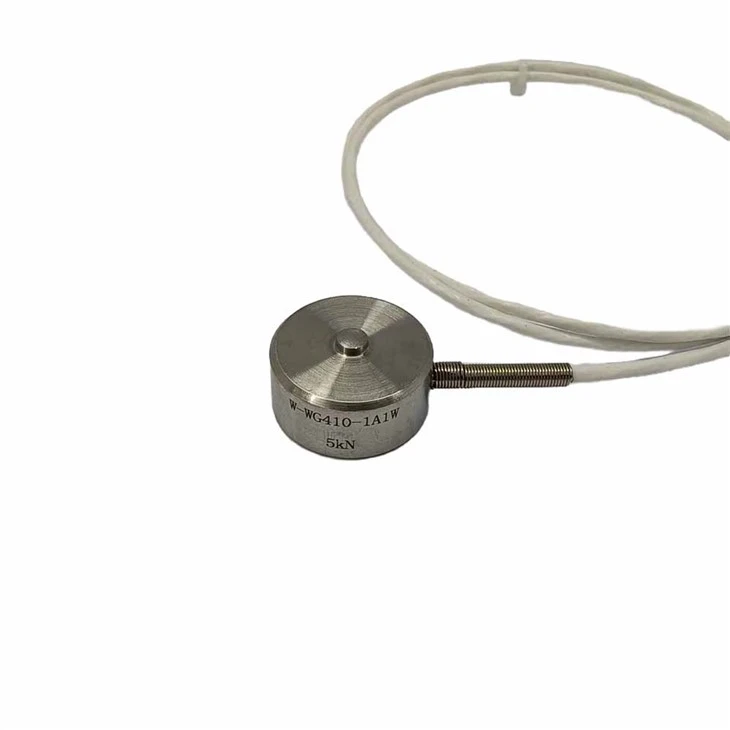
There are different types of load cells available in the market, and creep characteristics can vary between them. For example, the S - Beam Load Cell is another popular type of load cell used for various applications, such as tension and compression force measurements. It has its own set of characteristics when it comes to creep, which might be different from single point load cells.
Similarly, the Bellow Beam Load Cell is designed for applications where a low - profile and high - accuracy load measurement is required. Its creep behavior is also tailored to its specific design and intended use.
The Single - Ended Beam Load Cell is often used in industrial weighing applications. It has a different structure compared to single point load cells, and this affects its creep performance as well.
And then there's the Industrial Strain Gauge Load Cell, which is a general term for load cells that use strain gauges to measure force. Creep is an important consideration for all these types of load cells, and manufacturers are constantly working to improve their performance in this area.
When choosing a load cell for your application, it's important to consider the creep specifications. Look for load cells that have low creep values, especially if you need accurate and stable measurements over time. You can also consult with a load cell supplier, like us, to get advice on which load cell is best suited for your specific needs.
We understand that every application is unique, and that's why we offer a wide range of single point load cells with different capacities and features. Whether you need a small load cell for a laboratory scale or a high - capacity load cell for an industrial weighing system, we've got you covered.
If you're in the market for a single point load cell or any other type of load cell, don't hesitate to reach out. We're here to help you find the right solution for your weighing needs. We can provide you with detailed product information, technical support, and even samples for testing. So, if you want to take your weighing applications to the next level with reliable and accurate load cells, let's start a conversation.
References
- "Load Cell Handbook" by HBM
- "Force Measurement Basics" by Omega Engineering


