


When it comes to measuring the flow of fluids in various industrial applications, two types of flow meters are commonly used: mass flow meters and volumetric flow meters. As a leading flow meter supplier, we often get asked about the differences between these two types of meters. In this blog post, we'll delve into the details of both mass and volumetric flow meters, explore their applications, and highlight the key differences between them to help you make an informed decision for your specific needs.
What is a Volumetric Flow Meter?
A volumetric flow meter measures the volume of a fluid passing through a given point in a pipeline per unit of time. The units of measurement for volumetric flow rates are typically expressed in liters per minute (L/min), cubic meters per hour (m³/h), or gallons per minute (GPM). Volumetric flow meters are designed to provide a measurement based on the physical volume of the fluid, regardless of its density or mass.
There are several types of volumetric flow meters available on the market, each with its own operating principle and set of advantages. Some of the common types include:
- Mechanical Flow Meters: These meters use moving parts, such as turbines, paddles, or gears, to measure the flow of fluid. As the fluid passes through the meter, it causes the mechanical element to rotate, and the rotation speed is proportional to the volumetric flow rate. Examples of mechanical flow meters include turbine flow meters and positive displacement flow meters.
- Electromagnetic Flow Meters: An Electromagnetic Flow Meter operates based on Faraday's law of electromagnetic induction. When a conductive fluid flows through a magnetic field generated by the meter, a voltage is induced, which is proportional to the volumetric flow rate. These meters are highly accurate and suitable for measuring the flow of conductive liquids, such as water, sewage, and chemicals.
- Ultrasonic Flow Meters: Ultrasonic flow meters use ultrasonic waves to measure the flow of fluid. There are two main types: transit-time and Doppler. Transit-time ultrasonic flow meters measure the difference in the time it takes for ultrasonic waves to travel upstream and downstream in the fluid, while Doppler flow meters measure the frequency shift of ultrasonic waves reflected off particles or bubbles in the fluid. Ultrasonic flow meters are non-invasive and can be used to measure the flow of both clean and dirty fluids.
Applications of Volumetric Flow Meters
Volumetric flow meters are widely used in a variety of industries and applications, including:
- Water and Wastewater Treatment: In water treatment plants, volumetric flow meters are used to measure the flow of raw water, treated water, and sewage. This information is crucial for process control, billing, and regulatory compliance.
- Chemical and Petrochemical Industry: Volumetric flow meters are used to measure the flow of chemicals, fuels, and other fluids in pipelines and reactors. Accurate flow measurement is essential for ensuring the proper operation of chemical processes and maintaining product quality.
- Food and Beverage Industry: In the food and beverage industry, volumetric flow meters are used to measure the flow of liquids, such as milk, juice, and beer, during the production, filling, and packaging processes. This helps to ensure accurate dosing and consistent product quality.
What is a Mass Flow Meter?
A mass flow meter measures the mass of a fluid passing through a given point in a pipeline per unit of time. The units of measurement for mass flow rates are typically expressed in kilograms per hour (kg/h), pounds per minute (lb/min), or grams per second (g/s). Mass flow meters are designed to provide a measurement based on the actual mass of the fluid, regardless of its volume, density, or temperature.
There are two main types of mass flow meters: thermal mass flow meters and Coriolis mass flow meters.
- Thermal Mass Flow Meters: These meters operate based on the principle of heat transfer. A thermal mass flow meter consists of two temperature sensors and a heating element. As the fluid passes over the heating element, it absorbs heat, and the temperature difference between the two sensors is proportional to the mass flow rate. Thermal mass flow meters are commonly used to measure the flow of gases, such as air, nitrogen, and natural gas.
- Coriolis Mass Flow Meters: Coriolis mass flow meters operate based on the Coriolis effect. When a fluid flows through a vibrating tube, the Coriolis force causes the tube to twist, and the amount of twist is proportional to the mass flow rate. Coriolis mass flow meters are highly accurate and can be used to measure the flow of both liquids and gases.
Applications of Mass Flow Meters
Mass flow meters are widely used in industries where accurate measurement of the mass of a fluid is critical, including:
- Chemical and Petrochemical Industry: In the chemical and petrochemical industry, mass flow meters are used to measure the flow of chemicals, fuels, and other fluids in pipelines and reactors. Accurate mass flow measurement is essential for ensuring the proper operation of chemical processes, controlling reactions, and maintaining product quality.
- Pharmaceutical Industry: In the pharmaceutical industry, mass flow meters are used to measure the flow of liquids and gases during the production of drugs and other pharmaceutical products. Accurate mass flow measurement is crucial for ensuring the proper dosing of ingredients and maintaining product quality and safety.
- Food and Beverage Industry: In the food and beverage industry, mass flow meters are used to measure the flow of ingredients, such as sugar, salt, and flavorings, during the production process. This helps to ensure accurate dosing and consistent product quality.
Key Differences between Mass and Volumetric Flow Meters
Now that we've explored the basics of mass and volumetric flow meters, let's take a closer look at the key differences between them:
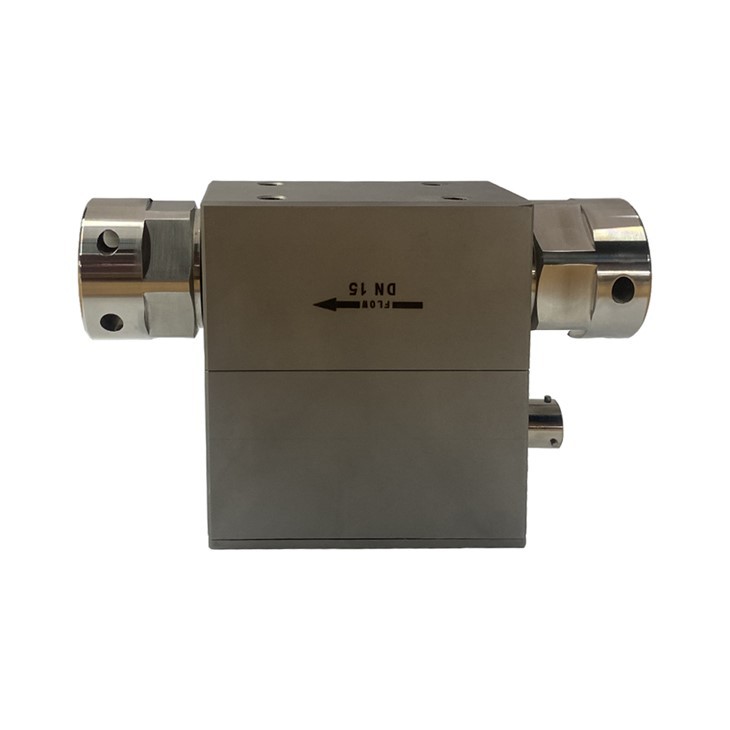

- Measurement Principle: The most significant difference between mass and volumetric flow meters is their measurement principle. Volumetric flow meters measure the volume of a fluid passing through a given point in a pipeline per unit of time, while mass flow meters measure the mass of a fluid passing through a given point in a pipeline per unit of time.
- Dependence on Fluid Properties: Volumetric flow meters are dependent on the density and temperature of the fluid being measured. Changes in fluid density or temperature can affect the accuracy of the measurement. In contrast, mass flow meters are independent of fluid density and temperature, making them more accurate and reliable in applications where these properties may vary.
- Accuracy and Precision: Mass flow meters are generally more accurate and precise than volumetric flow meters, especially in applications where the fluid properties may vary. This is because mass flow meters measure the actual mass of the fluid, which is a more fundamental property than volume.
- Cost: Mass flow meters are typically more expensive than volumetric flow meters due to their more complex design and higher level of accuracy. However, the cost of a flow meter should be considered in relation to the specific application and the benefits it provides.
Choosing the Right Flow Meter for Your Application
When choosing a flow meter for your application, it's important to consider several factors, including the type of fluid being measured, the flow rate range, the accuracy requirements, the operating conditions, and the budget. Here are some general guidelines to help you choose the right flow meter:
- Volumetric Flow Meters: Volumetric flow meters are a good choice for applications where the fluid density and temperature are relatively constant and where accurate measurement of the volume of the fluid is required. They are also a more cost-effective option for applications with lower accuracy requirements.
- Mass Flow Meters: Mass flow meters are a better choice for applications where the fluid density and temperature may vary and where accurate measurement of the mass of the fluid is critical. They are also more suitable for applications where high accuracy and precision are required.
As a flow meter supplier, we offer a wide range of mass and volumetric flow meters to meet the needs of various industries and applications. Our team of experts can help you choose the right flow meter for your specific requirements and provide you with technical support and after-sales service.
Intrinsically Safe Flowmeters
In some applications, such as those in the oil and gas industry or chemical plants, it's important to use flow meters that are intrinsically safe. An Intrinsically Safe Flowmeter is designed to prevent the ignition of flammable gases or vapors in hazardous environments. These flow meters are certified to meet specific safety standards and are typically used in applications where there is a risk of explosion or fire.
Contact Us for Your Flow Meter Needs
If you're in the market for a flow meter and need help choosing the right one for your application, don't hesitate to contact us. Our team of experts is available to discuss your requirements, provide you with detailed product information, and offer technical support and advice. We are committed to providing our customers with the highest quality flow meters and the best possible service. Whether you need a mass flow meter or a volumetric flow meter, we have the expertise and the products to meet your needs. Let's start a conversation and find the perfect flow meter solution for you.
References
- Isle, R. (2019). Industrial Flow Measurement Handbook. Elsevier.
- Spitzer, D. (2016). Flow Measurement: Practical Guides for Measurement & Control. ISA.

