


What is the effect of mechanical shock on a Bellow Beam Load Cell?
As a supplier of Bellow Beam Load Cells, I've witnessed firsthand the critical role these devices play in various industries. From manufacturing to aerospace, load cells are essential for accurate force and weight measurement. However, one factor that can significantly impact their performance is mechanical shock. In this blog post, I'll delve into the effects of mechanical shock on Bellow Beam Load Cells and offer insights on how to mitigate these issues.
Understanding Bellow Beam Load Cells
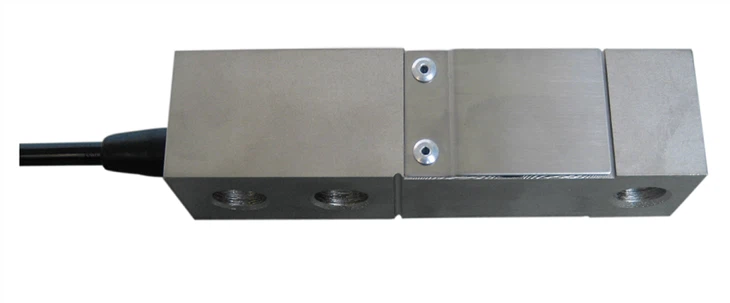
Before we explore the effects of mechanical shock, let's briefly understand what Bellow Beam Load Cells are. These load cells are designed to measure force or weight by converting mechanical stress into an electrical signal. They consist of a beam with a bellow structure, which provides flexibility and allows for accurate measurement in various applications. Bellow Beam Load Cells are known for their high precision, reliability, and durability, making them a popular choice for many industries.
The Impact of Mechanical Shock
Mechanical shock refers to a sudden and intense force applied to a load cell. This can occur due to a variety of reasons, such as dropping the load cell, sudden impacts during transportation, or rough handling during installation. The effects of mechanical shock on a Bellow Beam Load Cell can be significant and may include:
- Zero Shift: One of the most common effects of mechanical shock is a zero shift. This occurs when the load cell's output changes even when there is no applied force. A zero shift can lead to inaccurate measurements and affect the overall performance of the load cell.
- Span Shift: In addition to zero shift, mechanical shock can also cause a span shift. This means that the load cell's output changes proportionally to the applied force, resulting in incorrect readings. A span shift can be particularly problematic in applications where precise measurements are required.
- Damage to the Bellow Structure: The bellow structure of a Bellow Beam Load Cell is designed to be flexible and withstand normal operating conditions. However, mechanical shock can cause damage to the bellow, such as cracks or tears. This can not only affect the load cell's accuracy but also its durability and lifespan.
- Electrical Damage: Mechanical shock can also cause electrical damage to the load cell's internal components. This can include damage to the strain gauges, wiring, or other electrical connections. Electrical damage can lead to intermittent or complete failure of the load cell.
Mitigating the Effects of Mechanical Shock
While mechanical shock can have a significant impact on a Bellow Beam Load Cell, there are several steps you can take to mitigate these effects. Here are some recommendations:
- Proper Handling and Installation: One of the most effective ways to prevent mechanical shock is to handle and install the load cell properly. This includes using appropriate lifting equipment, avoiding dropping or rough handling the load cell, and following the manufacturer's installation instructions.
- Shock Absorbing Mounts: Using shock absorbing mounts can help reduce the impact of mechanical shock on the load cell. These mounts are designed to absorb and dissipate the energy from sudden impacts, protecting the load cell from damage.
- Overload Protection: Installing overload protection devices can help prevent the load cell from being subjected to excessive forces. These devices can limit the maximum force applied to the load cell, reducing the risk of mechanical shock and damage.
- Regular Calibration and Maintenance: Regular calibration and maintenance of the load cell are essential to ensure its accuracy and reliability. This includes checking for zero and span shifts, inspecting the bellow structure for damage, and testing the electrical connections.
Comparing with Other Load Cell Types
It's also worth comparing Bellow Beam Load Cells with other types of load cells, such as Single-Ended Beam Load Cell, Single Point Load Cell, and S-Beam Load Cell. Each type of load cell has its own advantages and disadvantages, and the choice depends on the specific application requirements.
Single-Ended Beam Load Cells are commonly used in applications where space is limited and high accuracy is required. They are relatively simple in design and offer good performance in a wide range of applications.
Single Point Load Cells are designed for applications where the load is applied at a single point. They are often used in weighing scales and other applications where the load is evenly distributed.
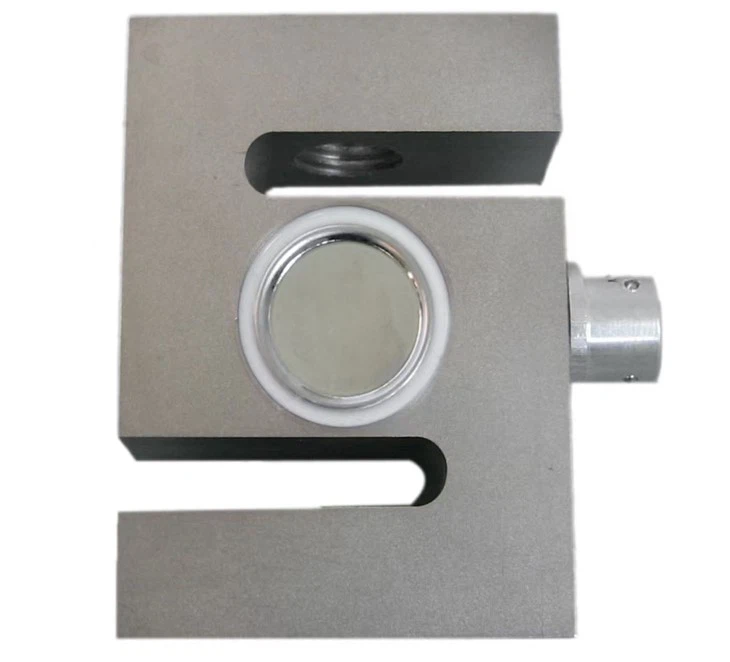
S-Beam Load Cells are known for their high capacity and versatility. They can be used in a variety of applications, including tension and compression measurements.
Conclusion
In conclusion, mechanical shock can have a significant impact on the performance and lifespan of a Bellow Beam Load Cell. However, by understanding the effects of mechanical shock and taking appropriate measures to mitigate these effects, you can ensure the accuracy and reliability of your load cell. As a supplier of Bellow Beam Load Cells, I'm committed to providing high-quality products and supporting our customers in choosing the right load cell for their applications.
If you're interested in learning more about Bellow Beam Load Cells or have any questions about our products, please don't hesitate to contact us. We'd be happy to discuss your specific requirements and help you find the best solution for your needs. Whether you're in the manufacturing, aerospace, or any other industry, we have the expertise and experience to provide you with the right load cell for your application.
References
- "Load Cell Handbook" by HBM Test and Measurement
- "Principles of Load Cell Technology" by Vishay Precision Group
- "Mechanical Shock and Vibration in Industrial Applications" by the Institute of Electrical and Electronics Engineers (IEEE)

