


Long - term stability is a crucial characteristic when it comes to load cells, a product that we, as a dedicated load cell supplier, understand inside out. In this blog, we'll delve into what long - term stability of a load cell means, why it's important, the factors that affect it, and how we ensure the long - term stability of the load cells we offer.
What is the Long - term Stability of a Load Cell?
The long - term stability of a load cell refers to its ability to maintain consistent and accurate performance over an extended period. A load cell is a transducer that converts force into an electrical signal. This signal is then used to measure the applied force, which could be in the form of weight, tension, compression, or torque.
For a load cell, long - term stability means that the relationship between the applied force and the output electrical signal remains constant over time. In other words, if a load cell is calibrated to produce a specific output voltage for a given load today, it should produce approximately the same output voltage for the same load several months or even years later.
Why is Long - term Stability Important?
The importance of long - term stability cannot be overstated, especially in industrial applications. In industries such as manufacturing, logistics, and food processing, accurate and consistent force measurement is essential for quality control, safety, and efficiency.
For example, in a manufacturing plant, load cells are used to measure the weight of raw materials and finished products. If the load cell's performance degrades over time, it can lead to inaccurate measurements. This, in turn, can result in product quality issues, such as under - or over - filled containers, or incorrect dosing of ingredients. In the logistics industry, load cells are used to measure the weight of cargo. Inaccurate weight measurements can lead to overloading of vehicles, which is not only a safety hazard but can also result in legal issues.
Factors Affecting the Long - term Stability of Load Cells
Several factors can affect the long - term stability of load cells. These include environmental factors, mechanical stress, and electrical factors.
Environmental Factors
Temperature is one of the most significant environmental factors that can affect load cell stability. Changes in temperature can cause the materials in the load cell to expand or contract, which can alter the relationship between the applied force and the output signal. Humidity can also have an impact, as it can cause corrosion of the load cell's components, leading to performance degradation over time.
Mechanical Stress
Mechanical stress, such as overloading or shock loading, can also affect the long - term stability of load cells. Overloading a load cell beyond its rated capacity can cause permanent damage to the strain gauges, which are the key components responsible for converting force into an electrical signal. Shock loading, which can occur due to sudden impacts or vibrations, can also cause damage to the load cell's internal structure.
Electrical Factors
Electrical factors, such as power supply fluctuations and electromagnetic interference (EMI), can also affect load cell stability. Power supply fluctuations can cause variations in the output signal, while EMI can introduce noise into the signal, making it difficult to obtain accurate measurements.
Ensuring Long - term Stability in Our Load Cells
As a load cell supplier, we take several measures to ensure the long - term stability of the load cells we offer.
High - Quality Materials
We use high - quality materials in the manufacturing of our load cells. For example, we use premium - grade strain gauges that are designed to be highly stable over time. These strain gauges are carefully selected and tested to ensure that they can withstand environmental and mechanical stresses.
Advanced Manufacturing Processes
Our manufacturing processes are designed to minimize the impact of environmental and mechanical factors on load cell stability. We use precision machining techniques to ensure that the load cell's components are accurately fabricated and assembled. This helps to reduce the risk of mechanical stress and ensures that the load cell's internal structure is robust.
Rigorous Testing
Before our load cells are shipped to customers, they undergo rigorous testing to ensure their long - term stability. We test our load cells under various environmental conditions, including different temperatures and humidity levels, to ensure that they can maintain accurate performance over time. We also subject our load cells to mechanical stress tests, such as overloading and shock loading, to ensure that they can withstand real - world conditions.
Types of Load Cells and Their Long - term Stability
We offer a wide range of load cells, each with its own characteristics and long - term stability requirements.
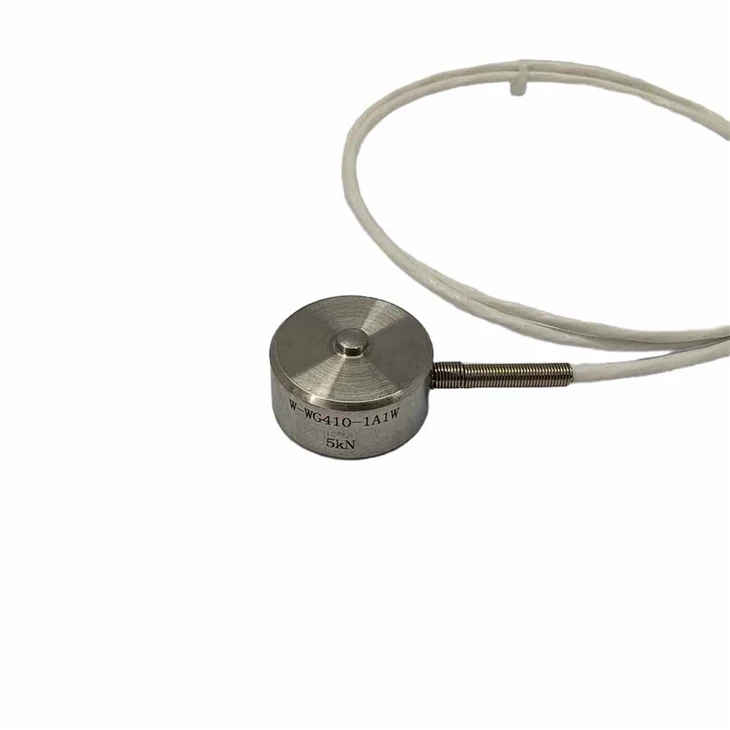

Single - Ended Beam Load Cell
Single - ended beam load cells are commonly used in industrial applications where moderate to high - capacity force measurement is required. These load cells are designed to be highly stable and can withstand a certain amount of overloading. They are typically used in applications such as platform scales and conveyor belt scales.
Single Point Load Cell
Single point load cells are ideal for applications where the load is applied at a single point, such as in weighing platforms and small - scale industrial scales. These load cells are known for their high accuracy and long - term stability. They are designed to be insensitive to off - center loading, which helps to ensure consistent performance over time.
Industrial Strain Gauge Load Cell
Industrial strain gauge load cells are the most common type of load cell used in industrial applications. These load cells use strain gauges to measure the deformation of a metal element under load. They are highly accurate and can provide long - term stability when properly designed and maintained.
Conclusion
Long - term stability is a critical factor in the performance of load cells. As a load cell supplier, we understand the importance of providing our customers with load cells that can maintain accurate and consistent performance over an extended period. By using high - quality materials, advanced manufacturing processes, and rigorous testing, we ensure that our load cells can meet the long - term stability requirements of our customers.
If you are in the market for high - quality load cells with excellent long - term stability, we invite you to contact us for a detailed discussion about your specific needs. Our team of experts is ready to assist you in selecting the right load cell for your application and to provide you with the support you need to ensure its long - term performance.
References
- Ono, K., & Ono, T. (2005). Long - term stability of load cells. Sensors and Actuators A: Physical, 123, 38 - 43.
- Elster, C. (2010). Calibration and long - term stability of load cells. Measurement Science and Technology, 21(1), 015101.
- Doebelin, E. O. (2003). Measurement systems: application and design. McGraw - Hill.

