


When dealing with the precision measurement of weight and force, single point load cells stand out as one of the most reliable solutions. As a reputable single point load cell supplier, we often encounter a crucial question from our customers - what is the temperature compensation range of single point load cells? In this blog post, we will delve into this topic, exploring the importance of temperature compensation, the typical ranges, and how it impacts the performance of single point load cells.
Understanding the Basics of Single Point Load Cells
Before we explore the temperature compensation range, it's essential to have a clear understanding of single point load cells. A single point load cell, as the name suggests, is designed to have a single load - application point. These load cells are commonly used in weighing scales, such as platform scales, bench scales, and retail scales, due to their ability to accurately measure loads placed off - center.
The principle behind single point load cells is based on the strain gauge technology. When a load is applied to the load cell, it causes a deformation in the elastic element, which in turn changes the resistance of the strain gauges attached to it. This change in resistance is then converted into an electrical signal proportional to the applied load.
As experienced industry players, we offer a wide range of Single Point Load Cell options tailored to different applications and requirements. Our products are known for their high precision, reliability, and durability.
Why Temperature Compensation Matters
Temperature is one of the most significant environmental factors that can affect the performance of load cells. Changes in temperature can cause several issues, including:
- Zero Output Shift: Temperature variations can lead to a change in the zero output of the load cell, even when no load is applied. This shift can result in inaccurate measurements, especially when dealing with low - capacity loads.
- Sensitivity Change: The sensitivity of the load cell, which is the ratio of the output signal to the applied load, can also be affected by temperature. A change in sensitivity means that the load cell may not provide consistent and accurate measurements across different temperature conditions.
- Material Expansion and Contraction: Different materials used in the load cell construction, such as the elastic element and the strain gauges, have different coefficients of thermal expansion. Temperature changes can cause these materials to expand or contract at different rates, leading to mechanical stress and further accuracy degradation.
To mitigate these issues, temperature compensation is essential. Temperature compensation is a technique used to minimize the effects of temperature on the load cell's performance, ensuring accurate and reliable measurements over a wide range of temperatures.
Temperature Compensation Range of Single Point Load Cells
The temperature compensation range of single point load cells refers to the range of temperatures within which the load cell can maintain a specified level of accuracy and performance. The specific temperature compensation range can vary depending on several factors, including the design, materials, and manufacturing processes of the load cell.
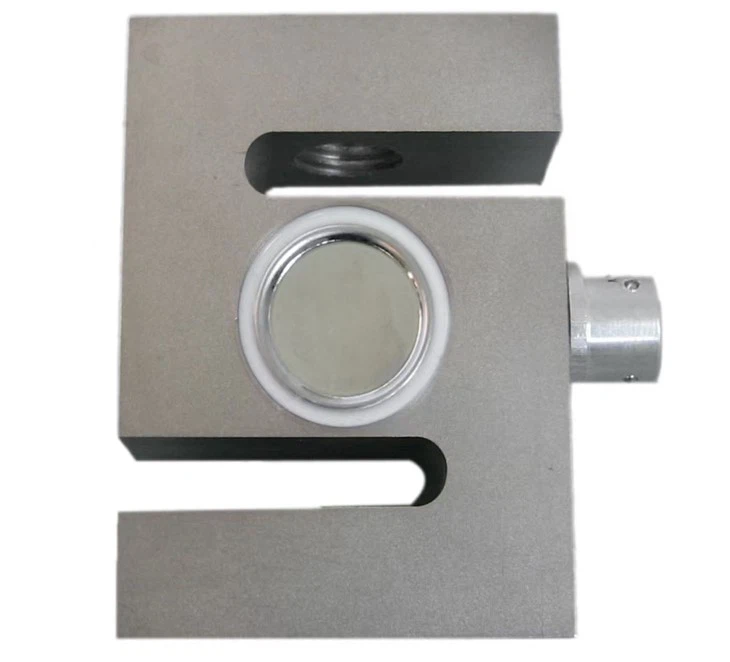

Typically, the temperature compensation range for most single point load cells used in general industrial applications is between - 10°C to 40°C or - 20°C to 60°C. However, for more demanding applications, such as those in harsh industrial environments or outdoor settings, load cells with a wider temperature compensation range, say from - 40°C to 85°C, may be required.
As a supplier, we understand the diverse needs of our customers. That's why we offer single point load cells with different temperature compensation ranges to meet various application requirements. Whether you need a load cell for a controlled indoor environment or a rugged outdoor setting, we have the right solution for you.
How Temperature Compensation is Achieved
There are several methods used to achieve temperature compensation in single point load cells:
- Strain Gauge Selection: The choice of strain gauges plays a crucial role in temperature compensation. Strain gauges with a low temperature coefficient of resistance (TCR) are selected to minimize the effect of temperature on the resistance change. Additionally, strain gauges can be arranged in a Wheatstone bridge configuration, which helps to cancel out the temperature - induced resistance changes.
- Compensation Resistors: External compensation resistors can be added to the load cell circuit to adjust the zero output and sensitivity as the temperature changes. These resistors are carefully selected and calibrated to counteract the temperature - related effects.
- Thermal Design: The physical design of the load cell can also contribute to temperature compensation. For example, using materials with similar coefficients of thermal expansion for the elastic element and the strain gauges can reduce the mechanical stress caused by temperature changes.
Impact of Temperature Compensation Range on Different Applications
The temperature compensation range of single point load cells can have a significant impact on different applications:
- Retail and Commercial Weighing: In retail and commercial weighing applications, such as grocery stores and pharmacies, accurate weight measurements are crucial for fair trade. Load cells with a suitable temperature compensation range can ensure that the scales provide consistent and accurate readings, regardless of the ambient temperature in the store.
- Industrial Weighing: In industrial settings, where loads are often heavy and the environment can be harsh, a wide temperature compensation range is essential. For example, in a food processing plant where the temperature can vary due to different processes, a load cell with a wide temperature range can maintain its accuracy and reliability.
Related Products in Our Catalog
Apart from single point load cells, we also offer a variety of other load cell products. For example, our S - Beam Load Cell is widely used in industrial weighing, force measurement, and tension testing applications. The S - beam configuration provides excellent stability and accuracy, making it suitable for dynamic and static load measurements.
Our Industrial Strain Gauge Load Cell is designed for heavy - duty industrial applications. With high precision and durability, these load cells can withstand harsh environments and provide reliable measurements for long - term use.
In addition, we have Bellow Beam Load Cell and Single - Ended Beam Load Cell. The bellow beam load cell is known for its compact design and high accuracy, while the single - ended beam load cell is suitable for applications where space is limited.
Conclusion and Business Promotion
In conclusion, understanding the temperature compensation range of single point load cells is crucial for ensuring accurate and reliable weight and force measurements. As a leading single point load cell supplier, we are committed to providing high - quality products with a wide range of temperature compensation options to meet the diverse needs of our customers.
If you are looking for a reliable load cell supplier for your application, we would be more than happy to assist you. Whether you need a load cell with a specific temperature compensation range or want to learn more about our other load cell products, feel free to contact us. We are here to help you find the best solution for your weighing and force measurement needs. Let's start this valuable partnership today!
References
- Ono, M., & Tsuchiya, K. (2005). Principles and applications of load cells. Tokyo: Ohmsha.
- Doebelin, E. O., & Nayar, S. K. (2011). Measurement systems: Application and design. New York: McGraw - Hill.
- Han, S. (2018). Load cell technology and its applications. Singapore: Springer.




