


A semiconductor device's temperature is a critical parameter that can significantly impact its performance, reliability, and lifespan. With the increasing complexity and miniaturization of semiconductor technology, accurate temperature measurement has become more crucial than ever. As a supplier of reed thermometers, I often receive inquiries about whether our reed thermometers can be used for measuring the temperature of semiconductor devices. In this blog post, I will explore this question in detail, considering the characteristics of reed thermometers and the requirements for semiconductor temperature measurement.
Understanding Reed Thermometers
Reed thermometers are a type of temperature sensor that utilizes the principle of thermal expansion. They consist of a glass tube filled with a liquid, typically mercury or alcohol, and a scale marked on the tube. As the temperature changes, the liquid expands or contracts, causing the level of the liquid in the tube to rise or fall. The temperature can then be read from the scale.
Reed thermometers are known for their simplicity, reliability, and relatively low cost. They are commonly used in a variety of applications, including household thermometers, industrial temperature monitoring, and scientific research. However, they also have some limitations that need to be considered when using them for semiconductor temperature measurement.
Requirements for Semiconductor Temperature Measurement
Semiconductor devices generate heat during operation, and excessive temperature can lead to performance degradation, reduced reliability, and even permanent damage. Therefore, accurate temperature measurement is essential for ensuring the proper functioning of semiconductor devices. The following are some of the key requirements for semiconductor temperature measurement:
- High Accuracy: Semiconductor devices are highly sensitive to temperature changes, and even small variations can have a significant impact on their performance. Therefore, temperature sensors used for semiconductor measurement need to have high accuracy, typically within ±0.1°C to ±1°C.
- Fast Response Time: Semiconductor devices can experience rapid temperature changes during operation, especially in high-power applications. Therefore, temperature sensors need to have a fast response time to accurately capture these changes.
- Small Size: Semiconductor devices are often very small, and space is limited. Therefore, temperature sensors need to be small in size to be easily integrated into the device or its packaging.
- Non-Intrusive: Semiconductor devices are often very delicate, and any physical contact with the sensor can potentially damage the device. Therefore, temperature sensors need to be non-intrusive, meaning they do not require direct contact with the device to measure its temperature.
Can a Reed Thermometer be Used for Measuring the Temperature of a Semiconductor Device?
Based on the characteristics of reed thermometers and the requirements for semiconductor temperature measurement, it is clear that reed thermometers are not suitable for measuring the temperature of semiconductor devices. The following are some of the reasons:
- Low Accuracy: Reed thermometers typically have an accuracy of ±0.5°C to ±2°C, which is not sufficient for semiconductor temperature measurement. Semiconductor devices require temperature sensors with higher accuracy, typically within ±0.1°C to ±1°C.
- Slow Response Time: Reed thermometers have a relatively slow response time, typically on the order of seconds to minutes. This is because the liquid in the thermometer needs to expand or contract in response to the temperature change, which takes time. Semiconductor devices can experience rapid temperature changes during operation, and a slow response time can result in inaccurate temperature measurements.
- Large Size: Reed thermometers are relatively large in size, typically several centimeters in length. This makes them difficult to integrate into small semiconductor devices or their packaging.
- Intrusive: Reed thermometers require direct contact with the object being measured to measure its temperature. This can potentially damage the delicate semiconductor device, especially if the thermometer is not handled properly.
Alternative Temperature Sensors for Semiconductor Devices
While reed thermometers are not suitable for measuring the temperature of semiconductor devices, there are several alternative temperature sensors that are specifically designed for this application. The following are some of the most commonly used temperature sensors for semiconductor devices:
- Surface Mount RTD/Thermocouple Sensor: Surface mount RTD/Thermocouple sensors are small, high-accuracy temperature sensors that can be easily integrated into semiconductor devices or their packaging. They offer fast response times and are non-intrusive, making them ideal for semiconductor temperature measurement. Surface Mount RTD/Thermocouple Sensor
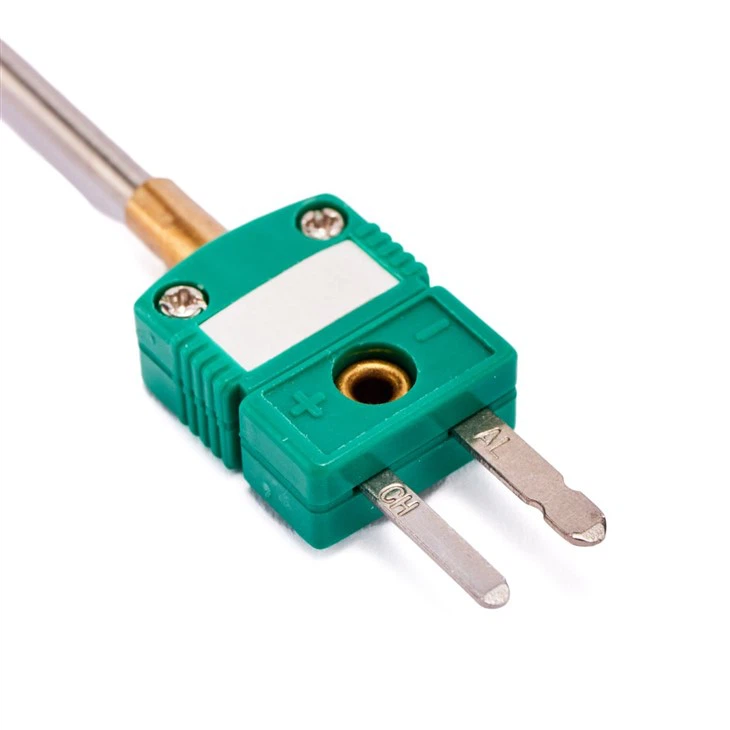
- Plug Mounted Thermometer: Plug mounted thermometers are another type of temperature sensor that can be used for semiconductor temperature measurement. They are designed to be inserted into a socket or connector on the semiconductor device, providing a convenient and non-intrusive way to measure its temperature. Plug Mounted Thermometer
- Exhaust Gas Temperature (EGT) Sensor: Exhaust gas temperature (EGT) sensors are commonly used in automotive and industrial applications to measure the temperature of exhaust gases. They can also be used for semiconductor temperature measurement, especially in high-power applications where the semiconductor device generates a significant amount of heat. Exhaust Gas Temperature (EGT) Sensor
Conclusion
In conclusion, reed thermometers are not suitable for measuring the temperature of semiconductor devices due to their low accuracy, slow response time, large size, and intrusive nature. However, there are several alternative temperature sensors available that are specifically designed for semiconductor temperature measurement, including surface mount RTD/Thermocouple sensors, plug mounted thermometers, and exhaust gas temperature (EGT) sensors. These sensors offer high accuracy, fast response times, small size, and non-intrusive measurement, making them ideal for semiconductor applications.

If you are looking for a reliable temperature sensor for your semiconductor device, I encourage you to contact us to discuss your specific requirements. Our team of experts can help you select the right temperature sensor for your application and provide you with the support and guidance you need to ensure its proper installation and operation.
References
- "Temperature Sensors for Semiconductor Applications," Semiconductor Engineering, https://semiengineering.com/temperature-sensors-for-semiconductor-applications/.
- "Semiconductor Temperature Sensors: A Comprehensive Guide," Sensors Magazine, https://www.sensorsmag.com/components/semiconductor-temperature-sensors-a-comprehensive-guide.
- "Temperature Measurement in Semiconductor Devices," IEEE Transactions on Semiconductor Manufacturing, https://ieeexplore.ieee.org/document/796773.


