


Hey there! I'm a supplier of piezoelectric transducers, and today I want to dig into a pretty cool question: Can piezoelectric transducers be used in high - pressure environments?
First off, let's quickly go over what piezoelectric transducers are. These little wonders are devices that can convert mechanical energy into electrical energy and vice versa. When you apply pressure to a piezoelectric material, it generates an electric charge, and when you apply an electric field, it changes shape. This property makes them super useful in a whole bunch of applications, from ultrasonic cleaners to medical imaging equipment.
Now, the big question: high - pressure environments. High - pressure situations can be found in many industries, like oil and gas exploration, deep - sea research, and high - pressure manufacturing processes. In these places, the pressure can be extremely intense, sometimes reaching thousands of pounds per square inch (psi).
So, can our piezoelectric transducers handle it? Well, it depends on a few factors.
Material Matters
The type of piezoelectric material used in the transducer plays a huge role. Some materials are more robust and can withstand higher pressures than others. For example, lead zirconate titanate (PZT) is a commonly used piezoelectric material. It has good piezoelectric properties and can handle a fair amount of pressure. But in really extreme high - pressure scenarios, we might need to look at other materials or modify the PZT to make it more pressure - resistant.
There are also single - crystal piezoelectric materials like lithium niobate and langasite. These materials have some unique properties that can make them more suitable for high - pressure applications. They often have better temperature stability and can maintain their piezoelectric performance under high stress.
Design Considerations
The design of the piezoelectric transducer is equally important. A well - designed transducer can distribute the pressure evenly across the piezoelectric element, reducing the risk of damage. For instance, using a proper housing or packaging can protect the delicate piezoelectric material from the direct impact of high pressure.
We can also design the transducer with a specific shape or structure to enhance its pressure - handling capabilities. Some transducers are designed with a thicker piezoelectric element or additional support structures to withstand the forces exerted by high pressure.
Testing and Validation
Before we can say for sure that a piezoelectric transducer can be used in a high - pressure environment, we need to test it thoroughly. We use specialized testing equipment to simulate high - pressure conditions and measure the performance of the transducer.
During these tests, we look at several parameters. One of the key things is the output voltage of the transducer. As the pressure increases, the output voltage should change in a predictable way according to the piezoelectric effect. If the output voltage starts to deviate from the expected values, it could be a sign that the transducer is being affected by the high pressure.
We also check for any signs of physical damage to the transducer, such as cracks or deformation. Even a small crack in the piezoelectric material can significantly affect its performance and reduce its lifespan.
Real - World Applications
There are already some real - world applications where piezoelectric transducers are used in high - pressure environments. In the oil and gas industry, for example, they are used in downhole sensors to measure pressure and temperature. These sensors need to withstand the high pressures and temperatures found deep underground.
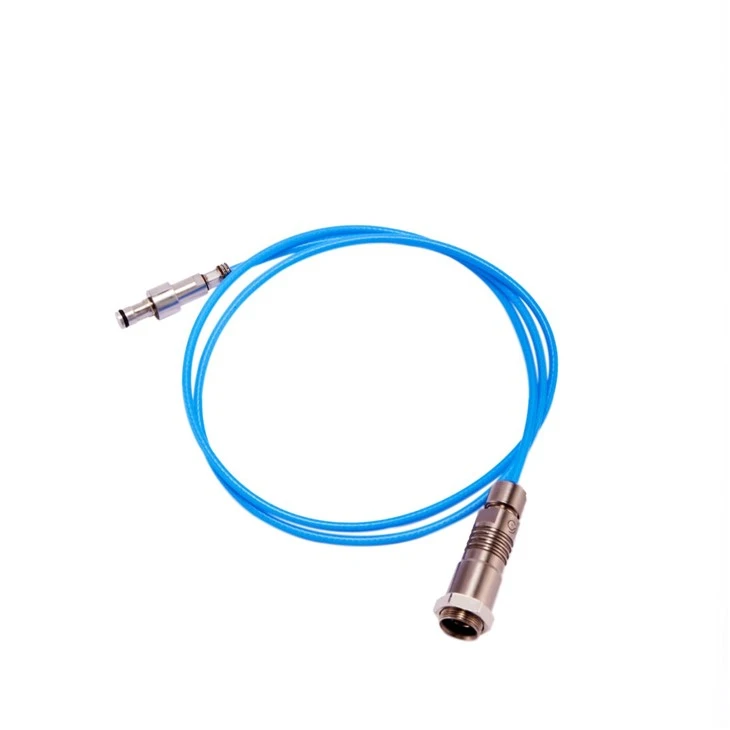

In deep - sea research, piezoelectric transducers are used in sonar systems. The deep sea is a high - pressure environment, and the transducers need to work reliably to detect objects and map the ocean floor.
Our Product Range
At our company, we offer a variety of piezoelectric transducers that are suitable for different applications, including high - pressure environments. We have the 4mm Piezoelectric Pressure Transducer and the 6mm Piezoelectric Pressure Transducer.
These transducers are designed with high - quality materials and advanced manufacturing techniques to ensure their performance in high - pressure situations. They have been rigorously tested to meet the industry standards and can provide accurate and reliable measurements.
Advantages of Using Our Transducers in High - Pressure Environments
One of the main advantages of using our piezoelectric transducers in high - pressure environments is their high sensitivity. They can detect even small changes in pressure, which is crucial in many applications.
Another advantage is their fast response time. In high - pressure situations, things can change quickly, and our transducers can keep up with these changes, providing real - time data.
Challenges and Limitations
Of course, there are still some challenges and limitations when using piezoelectric transducers in high - pressure environments. One of the challenges is the long - term stability of the transducer. Over time, the high pressure can cause some degradation of the piezoelectric material, which can affect the performance of the transducer.
Another limitation is the cost. Developing and manufacturing piezoelectric transducers that can withstand high pressures can be expensive. The specialized materials and the additional design and testing requirements add to the overall cost.
Future Developments
We're constantly working on improving our piezoelectric transducers for high - pressure applications. We're researching new materials and manufacturing techniques to make our transducers more pressure - resistant, more reliable, and more cost - effective.
In the future, we expect to see even more advanced piezoelectric transducers that can handle even higher pressures and operate in more extreme environments. This will open up new possibilities in industries like space exploration and high - energy physics.
Conclusion
So, to answer the question, yes, piezoelectric transducers can be used in high - pressure environments, but it's not as simple as just slapping a transducer into a high - pressure system. We need to carefully consider the material, design, and testing to ensure that the transducer can perform reliably.
If you're in an industry that requires high - pressure measurement or control and you're looking for a reliable piezoelectric transducer, we'd love to talk to you. Our team of experts can help you choose the right transducer for your specific application and provide you with all the support you need. Whether it's the 4mm Piezoelectric Pressure Transducer or the 6mm Piezoelectric Pressure Transducer, we've got you covered.
If you have any questions or want to discuss your requirements in more detail, don't hesitate to reach out. We're here to help you find the best piezoelectric solution for your high - pressure needs.
References
- Smith, J. (2018). Piezoelectric Materials and Devices. Springer.
- Wang, X. (2020). High - Pressure Piezoelectric Sensors: Design and Applications. Journal of Sensors and Actuators.
- Chen, L. (2019). Advances in Piezoelectric Transducer Technology for Extreme Environments. IEEE Transactions on Ultrasonics, Ferroelectrics, and Frequency Control.

