


Hey there! As a supplier of Single - Ended Beam Load Cells, I know how crucial accuracy is in these devices. Single - Ended Beam Load Cells are widely used in various industries, from weighing scales to industrial automation, and having high accuracy can make a huge difference in the performance and reliability of the systems they're part of. So, let's dive into some ways to improve the accuracy of a Single - Ended Beam Load Cell.
Understanding the Basics
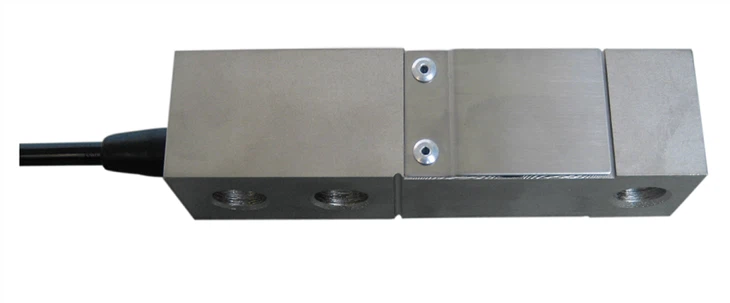
First off, it's important to understand how a Single - Ended Beam Load Cell works. It's a type of force transducer that converts mechanical force into an electrical signal. When a load is applied to the beam, it causes a small deformation, which is then measured by strain gauges attached to the beam. These strain gauges change their electrical resistance in proportion to the applied force, and this change is converted into a measurable output voltage.
Calibration
One of the most fundamental steps in improving accuracy is proper calibration. Calibration is the process of comparing the output of the load cell to a known standard. This helps to ensure that the load cell is providing accurate readings.
- Regular Calibration: You should calibrate your Single - Ended Beam Load Cell regularly. How often? Well, it depends on the application. In high - precision applications, you might need to calibrate daily or weekly. For less critical applications, monthly or quarterly calibration might be sufficient.
- Use High - Quality Calibration Equipment: Make sure to use high - quality calibration weights and equipment. Cheaper or inaccurate calibration tools can lead to incorrect calibration and, ultimately, inaccurate load cell readings.
Environmental Factors
The environment in which the Single - Ended Beam Load Cell operates can have a significant impact on its accuracy.

- Temperature: Temperature changes can cause the materials in the load cell to expand or contract, which can affect the strain gauges and the overall accuracy. To combat this, you can use load cells with temperature compensation. These load cells are designed to minimize the effects of temperature changes on the output signal.
- Humidity: High humidity can cause corrosion of the load cell components, especially the strain gauges. This can lead to changes in the electrical resistance of the strain gauges and inaccurate readings. You can protect the load cell from humidity by using proper enclosures and seals.
- Vibration and Shock: Vibration and shock can cause the load cell to give false readings. If your load cell is in an environment with a lot of vibration, you can use vibration - dampening mounts. These mounts help to absorb the vibrations and reduce their impact on the load cell.
Installation
Proper installation is key to getting accurate readings from your Single - Ended Beam Load Cell.
- Level Installation: The load cell must be installed level. If it's not level, the load will not be distributed evenly across the beam, which can lead to inaccurate readings. Use a spirit level during installation to ensure the load cell is perfectly horizontal.
- Avoid Overloading: Make sure not to overload the load cell. Overloading can cause permanent damage to the strain gauges and other components, leading to inaccurate readings. Always check the load cell's rated capacity and make sure the maximum expected load is within this capacity.
Signal Conditioning
Signal conditioning is the process of amplifying, filtering, and converting the raw output signal from the load cell into a more usable form.
- Amplification: The output signal from a load cell is usually very small. You need to amplify this signal to a level that can be easily measured and processed. Use a high - quality amplifier that has low noise and high gain stability.
- Filtering: The output signal can be affected by electrical noise from the environment. You can use filters to remove this noise and improve the signal - to - noise ratio. Low - pass filters are commonly used to remove high - frequency noise.
Quality of Components
The quality of the components used in the Single - Ended Beam Load Cell can have a big impact on its accuracy.
- Strain Gauges: The strain gauges are the heart of the load cell. Use high - quality strain gauges that have good linearity and stability. Cheaper strain gauges might be more prone to drift and inaccuracies over time.
- Beam Material: The material of the beam also matters. High - quality materials, such as stainless steel or aluminum alloy, are more likely to provide consistent performance and better accuracy.
Comparison with Other Load Cells
It's also interesting to compare the Single - Ended Beam Load Cell with other types of load cells, like the Bellow Beam Load Cell and the Single Point Load Cell. Each type of load cell has its own advantages and disadvantages in terms of accuracy.
- Bellow Beam Load Cell: Bellow Beam Load Cells are often used in applications where high accuracy and low profile are required. They can provide very accurate readings, especially in applications with small to medium loads.
- Single Point Load Cell: Single Point Load Cells are designed for applications where the load is applied at a single point. They are commonly used in weighing scales. While they can be accurate, their accuracy might be affected by the distribution of the load on the weighing platform.
In comparison, Single - Ended Beam Load Cells are known for their simplicity and relatively high accuracy in a wide range of applications. However, by following the tips above, you can further improve their accuracy.
Maintenance
Regular maintenance is essential for keeping your Single - Ended Beam Load Cell accurate.
- Visual Inspection: Periodically inspect the load cell for any signs of damage, such as cracks in the beam or loose connections. If you notice any damage, replace the damaged components immediately.
- Cleaning: Keep the load cell clean. Dust and debris can accumulate on the load cell and affect its performance. Use a soft brush or compressed air to clean the load cell.
Conclusion
Improving the accuracy of a Single - Ended Beam Load Cell requires a combination of proper calibration, consideration of environmental factors, correct installation, signal conditioning, and high - quality components. By following these steps, you can ensure that your load cell provides accurate and reliable readings over its lifespan.
If you're in the market for a high - accuracy Single - Ended Beam Load Cell or need more information on how to improve the accuracy of your existing load cell, don't hesitate to get in touch. We're here to help you with all your load cell needs and can provide you with the best solutions for your specific applications. Check out our Single - Ended Beam Load Cell product page for more details.
References
- O'Connor, P. D. T. (2002). Practical Reliability Engineering. Wiley.
- Doebelin, E. O. (2004). Measurement Systems: Application and Design. McGraw - Hill.
- ISO 376:2011. Metallic materials - Calibration of force - proving instruments used for the verification of uniaxial testing machines.


