


Proper transportation and storage of an electromagnetic flow meter are crucial to ensure its performance and longevity. As a supplier of Electromagnetic Flow Meter, I understand the significance of these processes. In this blog, I will share some essential guidelines on how to transport and store an electromagnetic flow meter properly.
Transportation Considerations
Packaging
The first step in ensuring the safe transportation of an electromagnetic flow meter is proper packaging. The flow meter should be packed in a sturdy box that can withstand the rigors of transportation. The box should be lined with shock - absorbing materials such as foam or bubble wrap to protect the flow meter from impacts and vibrations.
The flow meter's delicate components, such as the electrodes and the signal converter, need extra protection. Wrap these parts individually with anti - static materials to prevent electrostatic damage. Label the package clearly with the product name, model number, and handling instructions, including "Fragile" and "This Side Up" signs.
Securing the Flow Meter
Inside the packaging, the flow meter should be firmly secured to prevent movement during transit. Use straps or brackets to hold the flow meter in place. If the flow meter is large or heavy, consider using custom - made fixtures to ensure its stability.
For portable electromagnetic flow meters, make sure all detachable parts, such as probes and cables, are properly stored and secured within the package. This not only protects the parts but also makes it easier for the end - user to assemble the flow meter upon arrival.
Choosing the Right Carrier
Selecting a reliable transportation carrier is vital. Look for carriers with a good track record in handling fragile and sensitive equipment. They should have proper handling procedures and insurance coverage in case of any damage during transit.
If the flow meter is being shipped internationally, ensure that the carrier is familiar with customs regulations and can handle the necessary documentation. This will help avoid delays and potential damage due to improper handling at customs checkpoints.
Temperature and Humidity Control
Electromagnetic flow meters are sensitive to extreme temperatures and humidity. During transportation, try to choose a carrier that can provide a controlled environment. If this is not possible, use insulated packaging to protect the flow meter from temperature fluctuations.
In high - humidity areas, consider using desiccant packs inside the packaging to absorb moisture and prevent corrosion of the flow meter's components. Monitor the environmental conditions during transit if possible, especially for long - distance shipments.
Storage Considerations
Storage Environment
The storage environment for an electromagnetic flow meter should be clean, dry, and well - ventilated. Avoid storing the flow meter in areas prone to dust, dirt, or chemical fumes, as these can damage the internal components.
The temperature in the storage area should be within the recommended range specified by the manufacturer. Generally, a temperature between 10°C and 40°C is suitable for most electromagnetic flow meters. High temperatures can cause the electronic components to overheat and malfunction, while low temperatures can affect the performance of the sensors.
The relative humidity in the storage area should be kept below 80%. Excessive humidity can lead to condensation on the flow meter's surface, which may cause corrosion and short - circuits.
Storage Position
Store the electromagnetic flow meter in an upright position whenever possible. This helps prevent any potential damage to the internal components due to improper stress or pressure. If the flow meter needs to be stored horizontally, make sure it is placed on a flat and stable surface.
For flow meters with detachable parts, store the parts separately in a labeled container. This makes it easier to identify and assemble the parts when the flow meter is needed.
Regular Inspection
Even during storage, it is important to conduct regular inspections of the electromagnetic flow meter. Check for any signs of damage, corrosion, or loose connections. Inspect the packaging for any signs of wear or tear, and replace it if necessary.
Test the flow meter periodically to ensure its functionality. This is especially important for long - term storage, as components may degrade over time. If any issues are detected during the inspection, take appropriate measures to repair or replace the damaged parts.
Protection from Physical Damage
To protect the flow meter from physical damage during storage, use a storage cabinet or a dedicated storage area. If the flow meter is stored in a shared space, make sure it is not at risk of being knocked over or damaged by other equipment.
Cover the flow meter with a protective cover to prevent dust and debris from accumulating on its surface. This will also help maintain the appearance of the flow meter and protect it from minor scratches.
Special Considerations for Intrinsically Safe Flowmeter
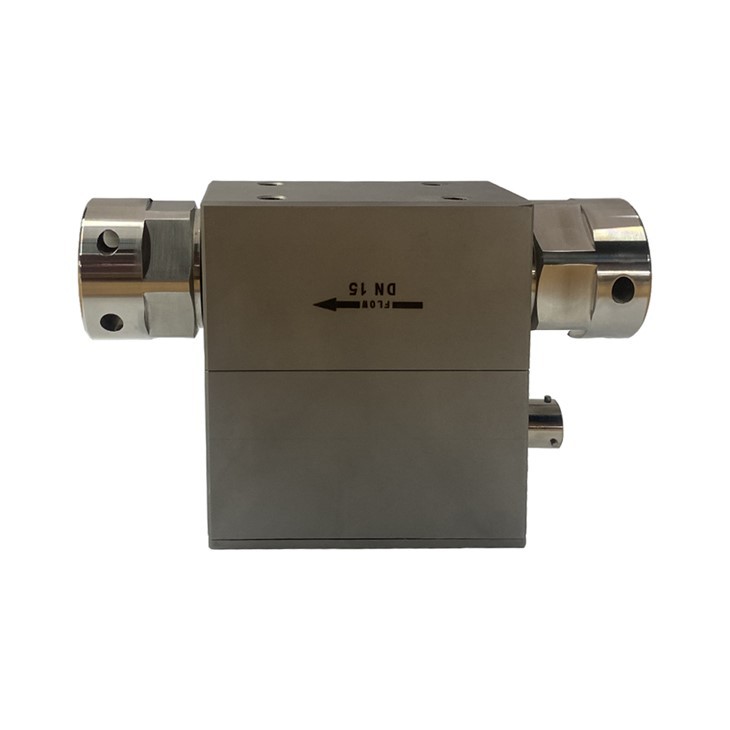
Intrinsically safe flow meters are designed for use in hazardous environments. When transporting and storing these flow meters, additional precautions need to be taken.

Transportation
During transportation, ensure that the intrinsically safe flow meter is properly labeled as such. This will alert the carrier to the special handling requirements. Use packaging that is compliant with relevant safety standards for transporting hazardous - area equipment.
The carrier should be trained in handling intrinsically safe equipment and follow strict safety procedures. This includes avoiding any sources of ignition during transit and ensuring that the flow meter is not exposed to any potential hazards.
Storage
Store intrinsically safe flow meters in a dedicated storage area that meets the safety requirements for hazardous - area equipment. The storage area should be free from any potential sources of ignition, such as open flames or electrical sparks.
Regularly inspect the intrinsically safe flow meter for any signs of damage that could compromise its safety features. If any damage is detected, do not use the flow meter until it has been properly repaired and certified as safe.
Conclusion
Proper transportation and storage of an electromagnetic flow meter are essential steps in maintaining its performance and reliability. By following the guidelines outlined in this blog, you can ensure that your flow meter arrives at its destination in perfect condition and remains in good working order during storage.
If you are in the market for an electromagnetic flow meter or need more information on proper handling and maintenance, please feel free to reach out to us. We are here to assist you with all your flow - measurement needs and can provide you with high - quality products and professional advice.
References
- Manufacturer's manuals for electromagnetic flow meters.
- Industry standards for transportation and storage of sensitive equipment.
- Guidelines on handling intrinsically safe equipment in hazardous environments.

