


A level process transmitter is a crucial instrument in various industrial applications, used to measure the level of liquids, slurries, or granular materials in tanks, vessels, and other containers. As a leading process transmitter supplier, we understand the importance of proper installation to ensure accurate and reliable measurements. In this blog post, we will discuss the installation requirements for a level process transmitter, covering aspects such as location selection, mounting, wiring, and calibration.
Location Selection
The first step in installing a level process transmitter is to choose the right location. The location should be carefully selected to ensure that the transmitter can accurately measure the level of the process material. Here are some key considerations when selecting the location:
- Accessibility: The location should be easily accessible for installation, maintenance, and calibration. This will make it easier for technicians to perform routine checks and repairs without causing significant disruptions to the process.
- Avoidance of Turbulence and Vibration: Turbulence and vibration can cause inaccurate measurements and damage to the transmitter. Therefore, the location should be chosen to avoid areas with high levels of turbulence, such as near inlets, outlets, or agitators. Additionally, the transmitter should be mounted away from sources of vibration, such as pumps or compressors.
- Proximity to the Process Material: The transmitter should be installed as close as possible to the process material to ensure accurate measurements. However, it should also be installed at a safe distance to prevent damage from splashing, corrosion, or other hazards.
- Protection from Environmental Factors: The location should provide protection from environmental factors such as dust, moisture, and extreme temperatures. This may require the use of enclosures or protective covers to shield the transmitter from the elements.
Mounting
Once the location has been selected, the next step is to mount the level process transmitter. The mounting method will depend on the type of transmitter and the specific application. Here are some common mounting methods:
- Flange Mounting: Flange mounting is a common method used for level process transmitters in large tanks and vessels. The transmitter is mounted directly to a flange on the tank or vessel using bolts or studs. This method provides a secure and stable mounting, ensuring accurate measurements.
- Threaded Mounting: Threaded mounting is another common method used for smaller level process transmitters. The transmitter is screwed into a threaded hole in the tank or vessel using a suitable adapter. This method is relatively easy to install and provides a tight seal to prevent leakage.
- Magnetic Mounting: Magnetic mounting is a convenient method used for level process transmitters in applications where drilling or welding is not possible. The transmitter is mounted using a magnetic base, which can be easily attached to the tank or vessel. This method is suitable for temporary or portable installations.
- Bracket Mounting: Bracket mounting is a versatile method used for level process transmitters in various applications. The transmitter is mounted to a bracket using bolts or screws, which can be attached to the tank or vessel or a nearby structure. This method provides flexibility in terms of mounting location and orientation.
Regardless of the mounting method used, it is important to ensure that the transmitter is mounted securely and level. This will help to prevent vibration and ensure accurate measurements. Additionally, the mounting hardware should be made of a suitable material to prevent corrosion and ensure long-term reliability.
Wiring
Proper wiring is essential for the correct operation of a level process transmitter. The wiring should be installed in accordance with the manufacturer's instructions and local electrical codes. Here are some key considerations when wiring a level process transmitter:
- Power Supply: The transmitter requires a suitable power supply to operate. The power supply should be selected based on the transmitter's specifications and the requirements of the application. It is important to ensure that the power supply is stable and free from electrical noise.
- Signal Wiring: The transmitter generates a signal that is proportional to the level of the process material. This signal is typically transmitted to a control system or display unit using a suitable cable. The signal wiring should be installed in a separate conduit or cable tray to prevent interference from other electrical signals.
- Grounding: Proper grounding is essential to prevent electrical interference and ensure the safety of the system. The transmitter should be grounded using a suitable grounding conductor, which should be connected to a reliable ground source.
- Cable Management: The wiring should be neatly organized and secured to prevent damage from vibration, abrasion, or other hazards. Cable ties, clamps, or conduit can be used to manage the cables and ensure a tidy installation.
Calibration
Calibration is an important step in the installation process of a level process transmitter. Calibration ensures that the transmitter is accurately measuring the level of the process material and provides reliable data for process control. Here are some key steps in the calibration process:
- Zero Calibration: Zero calibration is the process of setting the transmitter to read zero when the tank or vessel is empty. This is typically done by adjusting the zero point on the transmitter using a calibration tool or software.
- Span Calibration: Span calibration is the process of setting the transmitter to read the full scale value when the tank or vessel is full. This is typically done by adjusting the span point on the transmitter using a calibration tool or software.
- Verification: Once the zero and span calibrations have been completed, the transmitter should be verified to ensure that it is providing accurate measurements. This can be done by comparing the transmitter readings with a known reference value or by using a calibration standard.
Additional Considerations
In addition to the installation requirements discussed above, there are some additional considerations that should be taken into account when installing a level process transmitter. These include:

- Compatibility: The level process transmitter should be compatible with the process material and the operating conditions. This may require the use of special materials or coatings to prevent corrosion or chemical reactions.
- Maintenance: Regular maintenance is essential to ensure the long-term reliability and performance of the level process transmitter. This may include cleaning, inspection, and calibration at regular intervals.
- Documentation: Proper documentation is important for the installation, operation, and maintenance of the level process transmitter. This may include installation manuals, calibration records, and maintenance logs.
Conclusion
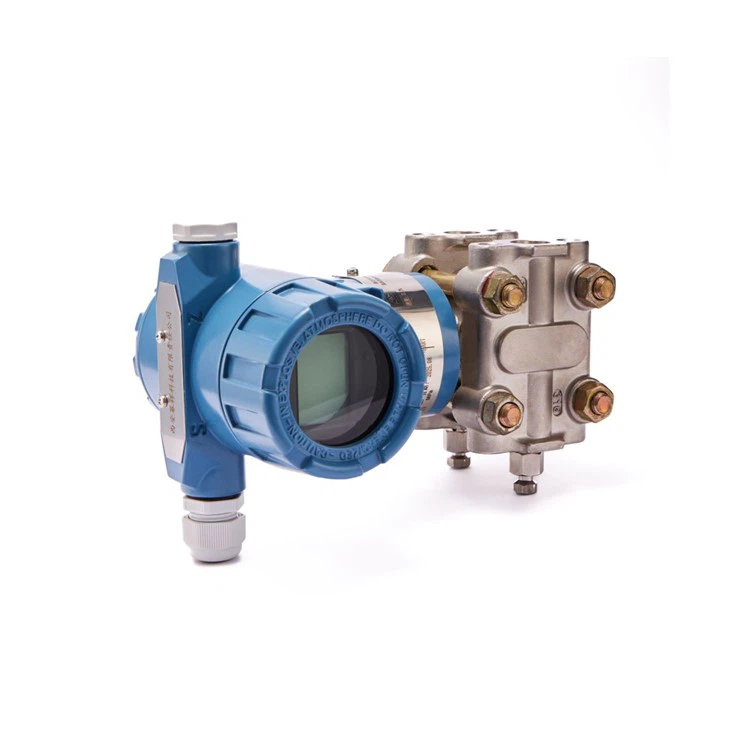
Proper installation is essential for the accurate and reliable operation of a level process transmitter. By following the installation requirements discussed in this blog post, you can ensure that your transmitter is installed correctly and provides accurate measurements. As a leading process transmitter supplier, we offer a wide range of Absolute / Gauge Pressure Transmitter and Metal Capacitive Differential Pressure Transmitter to meet the needs of various industrial applications. If you have any questions or need assistance with the installation of a level process transmitter, please contact us to discuss your requirements. Our team of experts will be happy to help you select the right transmitter and provide you with the support you need to ensure a successful installation.
References
- "Level Measurement Handbook," Emerson Process Management.
- "Process Instrumentation and Control Handbook," McGraw-Hill.
- Manufacturer's installation manuals and technical specifications.

