


Humidity is an environmental factor that can significantly influence the performance and accuracy of process transmitters. As a supplier of process transmitters, understanding the effects of humidity on these devices is crucial for ensuring their proper operation and providing customers with reliable solutions.
The Basics of Process Transmitters
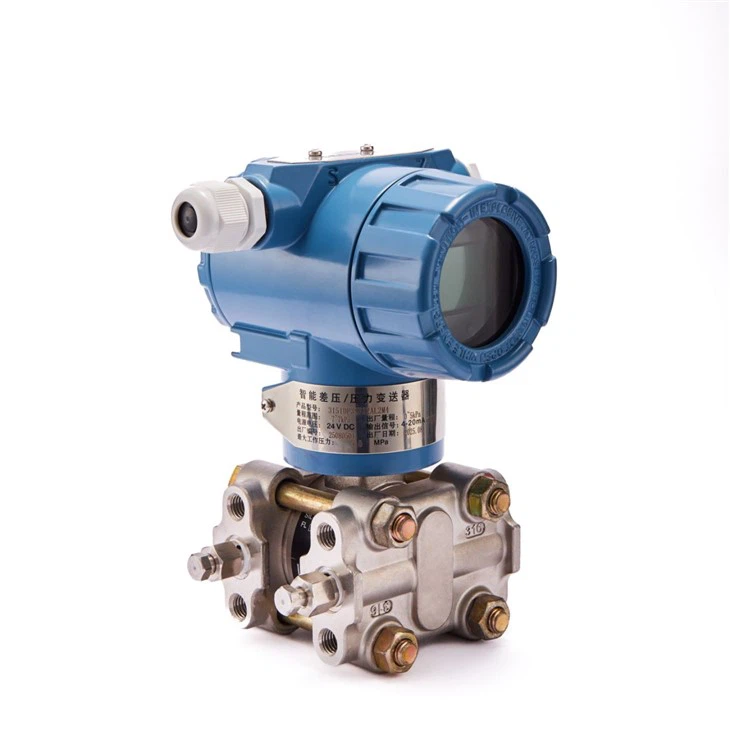
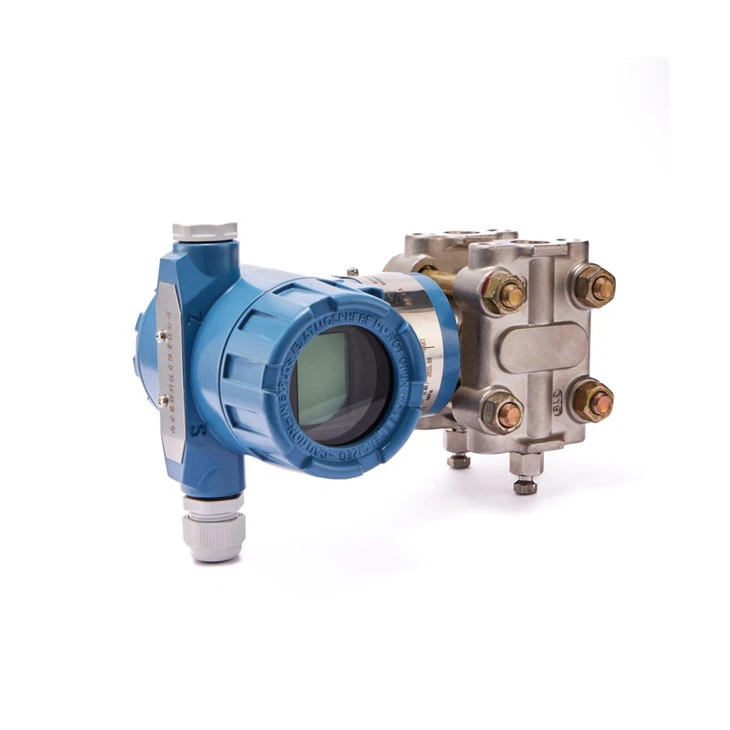
Process transmitters are essential instruments in industrial processes. They are used to measure various physical parameters such as pressure, temperature, and flow, and convert these measurements into electrical signals that can be transmitted to control systems. For example, a Metal Capacitive Differential Pressure Transmitter is designed to measure the difference in pressure between two points, while an Absolute / Gauge Pressure Transmitter can measure either absolute pressure or gauge pressure relative to atmospheric pressure.
How Humidity Affects Process Transmitters
Electrical Conductivity
One of the primary ways humidity affects process transmitters is through its impact on electrical conductivity. High humidity levels can cause moisture to accumulate on the internal components of the transmitter. This moisture can act as a conductor, leading to short - circuits or changes in the electrical resistance of the components. For instance, in a capacitive pressure transmitter, the presence of moisture can alter the capacitance value, which is directly related to the pressure measurement. This can result in inaccurate readings and potentially lead to process control issues.
Corrosion
Humidity can also accelerate the corrosion of metal components within the transmitter. When metal is exposed to a humid environment, it reacts with oxygen and water to form metal oxides. In a process transmitter, corrosion can damage critical parts such as pressure sensors, electrical contacts, and enclosures. Corroded components may not function properly, leading to reduced accuracy and reliability. For example, if the pressure sensing diaphragm in a transmitter corrodes, it may lose its elasticity, affecting the pressure measurement.
Mechanical Damage
In addition to electrical and corrosion - related issues, high humidity can cause mechanical damage to process transmitters. Moisture can cause swelling or warping of plastic or composite materials used in the transmitter's housing. This can lead to misalignment of internal components, affecting the overall performance of the device. For example, if the housing of a transmitter warps due to humidity, it may put stress on the internal wiring, leading to wire breakage or poor connections.
Condensation
Condensation is another significant problem associated with humidity. When the temperature of the transmitter drops below the dew point of the surrounding air, water vapor in the air condenses on the surface of the transmitter. This can cause short - term electrical problems and long - term damage to the internal components. For example, if condensation occurs inside the transmitter, it can cause the circuit boards to malfunction, leading to inaccurate readings or complete failure of the device.
Mitigating the Effects of Humidity
Sealing and Enclosure Design
One of the most effective ways to protect process transmitters from humidity is through proper sealing and enclosure design. Transmitters should be housed in enclosures that are resistant to moisture ingress. For example, using gaskets and O - rings can prevent water from entering the enclosure. Additionally, the enclosure should be made of materials that are resistant to corrosion, such as stainless steel or plastic.
Desiccants
Desiccants can be used inside the transmitter enclosure to absorb moisture. Silica gel is a commonly used desiccant that can effectively reduce the humidity level inside the enclosure. By placing desiccant packets inside the transmitter, the moisture content can be kept at a low level, reducing the risk of electrical and mechanical problems.
Temperature Control
Maintaining a stable temperature inside the transmitter enclosure can also help mitigate the effects of humidity. By using heaters or thermoelectric coolers, the temperature can be controlled to prevent condensation. For example, if the temperature inside the enclosure is kept above the dew point of the surrounding air, condensation will not occur.
Importance of Considering Humidity in Transmitter Selection
When selecting a process transmitter for a particular application, it is essential to consider the humidity conditions of the environment. Different transmitters have different levels of resistance to humidity. For example, some transmitters are designed with special coatings or materials that make them more resistant to moisture. By choosing a transmitter that is suitable for the humidity conditions of the application, customers can ensure the long - term reliability and accuracy of their process control systems.
Conclusion
Humidity can have a significant impact on the performance and reliability of process transmitters. As a process transmitter supplier, we understand the importance of providing solutions that can withstand the challenges posed by humidity. Our Metal Capacitive Differential Pressure Transmitter and Absolute / Gauge Pressure Transmitter are designed with features that help mitigate the effects of humidity, such as robust enclosures and moisture - resistant components.
If you are in need of a process transmitter for your industrial application, we invite you to contact us for a detailed discussion. Our team of experts can help you select the right transmitter based on your specific requirements and the humidity conditions of your environment. We are committed to providing high - quality products and excellent customer service to ensure the success of your process control systems.
References
- "Industrial Instrumentation and Control Handbook", Third Edition, by Bela Liptak
- "Process Measurement and Control Handbook", Fourth Edition, by Richard A. Radford


