


Hey there! As a flow meter supplier, I often get asked about all sorts of technical stuff related to flow meters. One question that comes up quite a bit is, "What is the flow high - temperature content of a flow meter?" Well, let's dive right into it.
First off, the flow high - temperature content of a flow meter refers to the maximum temperature that the flow meter can handle while still functioning accurately and safely. This is a crucial factor because different industrial applications involve fluids at various temperatures. If a flow meter is exposed to temperatures higher than its rated limit, it can lead to all sorts of problems, like inaccurate readings, damage to the internal components, and even complete failure of the device.
There are several types of flow meters out there, and each has its own set of limitations when it comes to high - temperature handling. For example, Electromagnetic Flow Meter is a popular choice in many industries. These meters work based on Faraday's law of electromagnetic induction to measure the flow of conductive fluids. In terms of high - temperature content, electromagnetic flow meters typically have a relatively good tolerance. They can often handle temperatures up to around 180 - 200 degrees Celsius, depending on the specific model and the materials used in their construction.
The reason they can handle relatively high temperatures is that the key components, like the electrodes and the coil, are designed to withstand heat. However, the housing and other external parts also need to be made of heat - resistant materials. If the temperature exceeds the rated limit, the electrical properties of the components can change, which in turn affects the accuracy of the flow measurement.
Another type of flow meter is the Intrinsically Safe Flowmeter. These are commonly used in hazardous environments where there's a risk of explosion. When it comes to high - temperature content, intrinsically safe flow meters have to be carefully engineered. They usually have a lower maximum temperature limit compared to some other types of flow meters. This is because they are designed to prevent the generation of sparks or excessive heat that could ignite the surrounding explosive atmosphere.
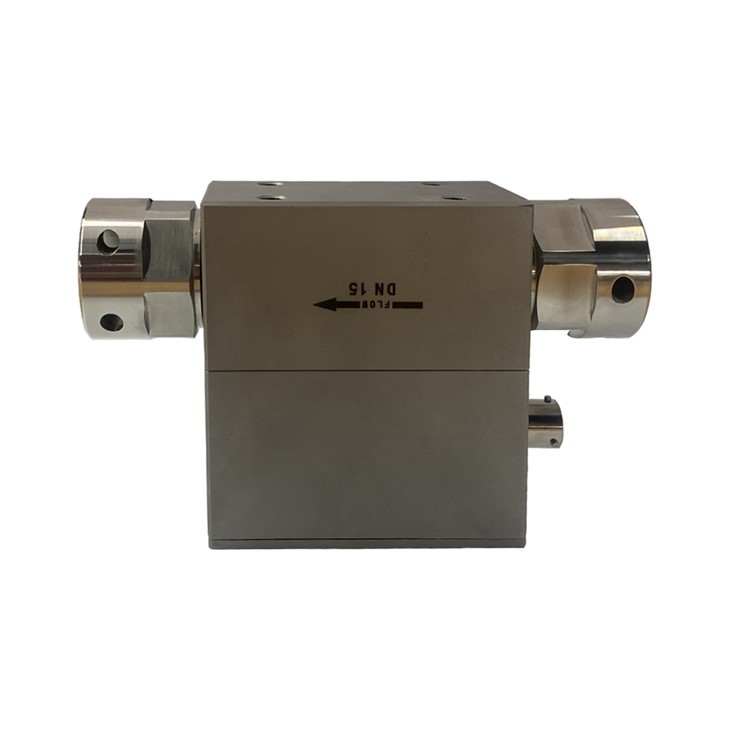

Typically, an intrinsically safe flow meter might have a high - temperature limit of around 80 - 120 degrees Celsius. The components in these flow meters are selected and designed to ensure that they operate safely within this temperature range. Any deviation from this can compromise the safety features of the device.
Now, why does the high - temperature content matter so much? Well, in industries like oil and gas, chemical processing, and power generation, fluids are often at extremely high temperatures. For example, in a refinery, the crude oil being processed can be at temperatures well above 100 degrees Celsius. If you use a flow meter that can't handle these high temperatures, you'll get inaccurate readings. This can lead to incorrect calculations of the amount of fluid being processed, which can have a significant impact on the overall efficiency and profitability of the operation.
In addition, using a flow meter beyond its high - temperature limit can also lead to costly repairs or replacements. The internal components of a flow meter can be damaged by excessive heat, and in some cases, the entire device may need to be replaced. This not only costs money but also causes downtime in the production process.
So, how do you determine the right flow meter with the appropriate high - temperature content for your application? The first step is to know the maximum temperature of the fluid you'll be measuring. This might require some testing or getting data from the process engineers. Once you have that information, you can start looking at different flow meter models and their high - temperature ratings.
It's also a good idea to consult with a flow meter expert. As a flow meter supplier, I've helped many customers choose the right flow meter for their specific high - temperature applications. We can take into account other factors like the type of fluid (whether it's conductive, viscous, etc.), the flow rate, and the installation environment.
When selecting a flow meter for high - temperature applications, you should also consider the long - term reliability. A flow meter that can handle high temperatures consistently over time is a better investment. Look for flow meters that are made with high - quality, heat - resistant materials and have a proven track record in similar applications.
Another aspect to consider is the maintenance requirements. High - temperature environments can put more stress on the flow meter, so it's important to choose a model that is easy to maintain. Some flow meters have self - diagnostic features that can help detect any issues early on, which is especially useful in high - temperature applications.
In conclusion, understanding the flow high - temperature content of a flow meter is essential for anyone in industries where high - temperature fluids are involved. Whether you're using an Electromagnetic Flow Meter or an Intrinsically Safe Flowmeter, knowing the maximum temperature it can handle will ensure accurate measurements, safe operation, and long - term reliability.
If you're in the market for a flow meter for a high - temperature application, don't hesitate to reach out. I'm here to help you find the perfect flow meter that meets your specific needs. Whether you need advice on the right model or want to discuss the technical details, I'm just a message away. Let's work together to ensure your flow measurement needs are met with the highest level of accuracy and safety.
References
- "Flow Measurement Handbook: Industrial Designs and Applications" by Richard W. Miller
- Technical documentation from various flow meter manufacturers


