


In the realm of weighing technology, single point load cells are indispensable components used in a wide range of applications, from industrial weighing systems to consumer scales. As a leading single point load cell supplier, we often encounter inquiries about the differences between stainless - steel and aluminum single point load cells. Understanding these differences is crucial for customers to make informed decisions when selecting the most suitable load cell for their specific needs.
Material Properties
The most fundamental difference between stainless - steel and aluminum single point load cells lies in the material they are made of. Stainless steel is an alloy primarily composed of iron, with significant amounts of chromium and often nickel. This composition gives stainless steel excellent corrosion resistance, high strength, and good durability. It can withstand harsh environments, including exposure to moisture, chemicals, and extreme temperatures.
On the other hand, aluminum is a lightweight metal known for its low density. It is highly malleable and has good thermal conductivity. Aluminum is also relatively resistant to corrosion, especially when it is anodized, a process that creates a protective oxide layer on its surface. However, its corrosion resistance is not as high as that of stainless steel, especially in highly corrosive environments.
Strength and Capacity
Stainless - steel single point load cells generally have higher strength and can handle larger loads compared to aluminum ones. The high - strength properties of stainless steel allow it to withstand greater forces without permanent deformation. This makes stainless - steel load cells ideal for heavy - duty applications such as industrial weighing scales used in warehouses, factories, and shipping yards. For example, in a large - scale manufacturing facility where heavy machinery parts need to be weighed accurately, a stainless - steel single point load cell can provide reliable performance under high - load conditions.
Aluminum single point load cells, due to their lower strength, are more suitable for lighter - load applications. They are commonly used in applications such as retail scales, food weighing scales, and small - capacity laboratory balances. These load cells can accurately measure relatively small weights with high precision, and their lightweight nature makes them easy to install and integrate into various weighing systems.
Sensitivity and Accuracy
Sensitivity is an important factor in load cell performance, referring to the change in output signal for a given change in load. Aluminum single point load cells tend to be more sensitive than stainless - steel ones. The lower modulus of elasticity of aluminum allows it to deform more easily under a load, resulting in a larger output signal for a given weight change. This high sensitivity makes aluminum load cells well - suited for applications that require high - precision weighing of small objects.
In terms of accuracy, both stainless - steel and aluminum single point load cells can achieve high levels of accuracy when properly designed and calibrated. However, stainless - steel load cells may be more stable over time, especially in harsh environments. The high corrosion resistance of stainless steel helps to maintain the integrity of the load cell structure, reducing the risk of performance degradation due to environmental factors. This stability is crucial for applications where long - term accuracy is required, such as in legal - for - trade weighing systems.
Cost
Cost is often a significant consideration for customers when choosing a single point load cell. Aluminum single point load cells are generally less expensive than stainless - steel ones. The lower cost of aluminum as a raw material, combined with its ease of machining, contributes to the lower overall cost of aluminum load cells. This makes them an attractive option for cost - sensitive applications where the load requirements are relatively low and the environment is not overly harsh.
Stainless - steel single point load cells, while more expensive, offer better performance and durability in demanding applications. The higher cost is justified by their ability to withstand harsh environments, handle larger loads, and maintain long - term accuracy. For critical industrial applications where reliability and performance are paramount, the investment in stainless - steel load cells is often worthwhile.
Environmental Considerations
As mentioned earlier, stainless - steel single point load cells are more suitable for harsh environments. They can resist corrosion from moisture, chemicals, and other contaminants, making them ideal for outdoor applications, food processing plants, and chemical industries. In a food processing environment, for example, the load cells need to be resistant to cleaning agents and frequent washdowns, and stainless - steel load cells can meet these requirements.
Aluminum single point load cells, although anodized to improve corrosion resistance, are more vulnerable to corrosion in harsh environments. They are best used in clean, dry indoor environments where the risk of corrosion is low. For instance, in a laboratory setting where the environment is well - controlled, an aluminum single point load cell can provide accurate and reliable weighing performance.
Applications
The differences in material properties, strength, sensitivity, cost, and environmental resistance lead to different application scenarios for stainless - steel and aluminum single point load cells.
Stainless - steel single point load cells:
- Industrial weighing systems: Used in heavy - duty industrial applications such as weighing large containers, pallets, and machinery parts.
- Outdoor weighing: Suitable for outdoor scales used in construction sites, agricultural weighing, and shipping ports.
- Harsh chemical environments: Can withstand exposure to chemicals in chemical processing plants and laboratories.
Aluminum single point load cells:
- Retail and consumer scales: Commonly used in grocery stores, supermarkets, and home weighing scales.
- Laboratory weighing: Ideal for small - capacity laboratory balances where high precision is required.
- Light - duty industrial applications: Such as weighing small parts in electronics manufacturing and light - assembly industries.
Related Load Cell Types
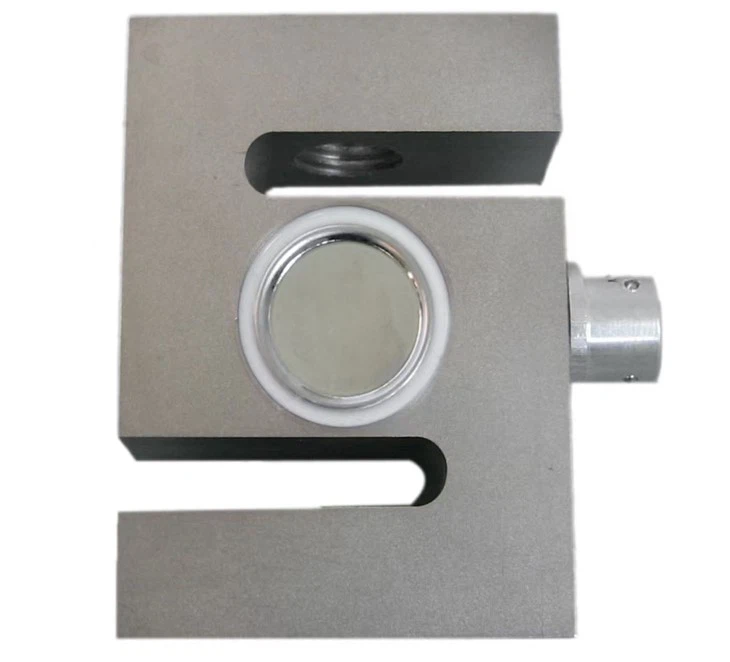
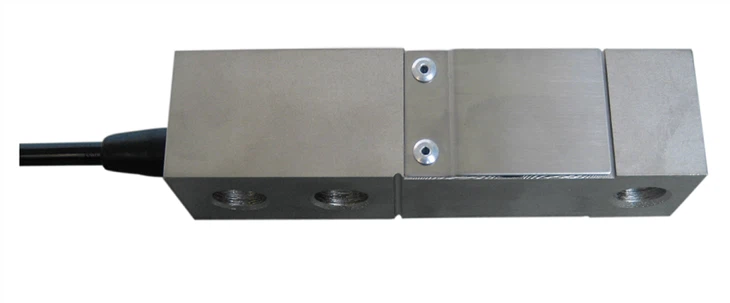
In addition to single point load cells, there are other types of load cells that may be relevant to your weighing needs. For example, the Bellow Beam Load Cell is designed to provide high - accuracy weighing in applications where space is limited. The S - Beam Load Cell is commonly used in tension and compression applications, offering reliable performance in various industrial settings. The Single - Ended Beam Load Cell is suitable for applications where the load is applied at one end of the beam, providing stable and accurate weighing results.
Conclusion
In summary, the choice between a stainless - steel and aluminum single point load cell depends on several factors, including the load capacity requirements, sensitivity and accuracy needs, cost constraints, and the environmental conditions of the application. Stainless - steel load cells offer high strength, durability, and corrosion resistance, making them suitable for heavy - duty and harsh - environment applications. Aluminum load cells, on the other hand, are more sensitive, cost - effective, and suitable for lighter - load and clean - environment applications.
As a single point load cell supplier, we are committed to providing our customers with high - quality load cells that meet their specific requirements. Whether you need a stainless - steel load cell for a heavy - duty industrial application or an aluminum load cell for a light - duty weighing task, we have the expertise and products to serve you. If you are interested in learning more about our single point load cells or need assistance in selecting the right load cell for your application, please feel free to contact us for a detailed consultation and procurement discussion.
References
- "Load Cell Handbook" by HBM
- "Weighing Technology Basics" by METTLER TOLEDO
- Industry research reports on load cell technology and applications

