


In the field of fluid measurement, flow meters play a crucial role in various industries, from chemical processing to water treatment. One of the key aspects that often requires in - depth understanding is the flow low - optical content of a flow meter. As a flow meter supplier, I am here to shed light on this topic and explain its significance.
Understanding the Basics of Flow Meters
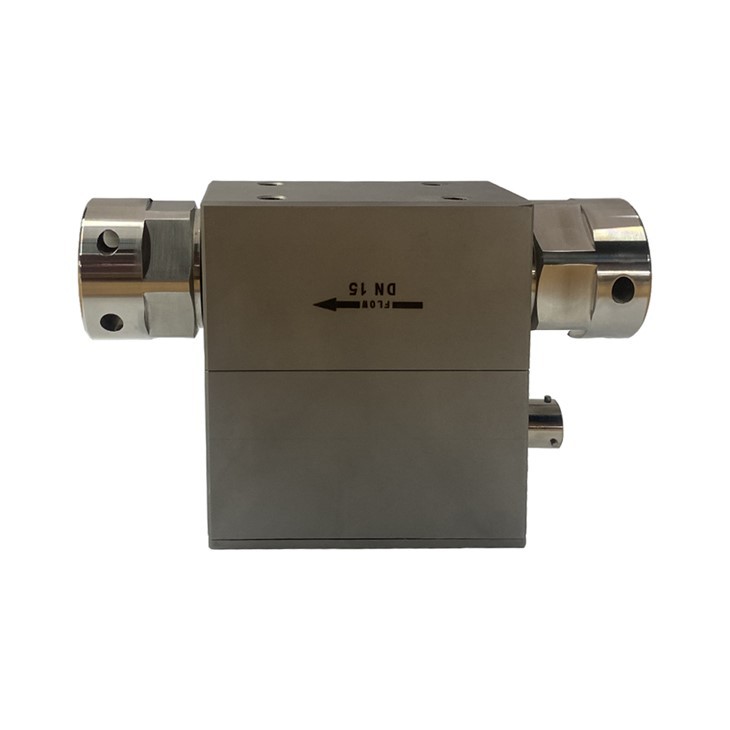
Flow meters are devices used to measure the flow rate of a fluid, which can be a liquid or a gas. There are different types of flow meters available in the market, each with its own principles of operation and applications. For example, Electromagnetic Flow Meter works based on Faraday's law of electromagnetic induction. It is suitable for measuring the flow of conductive fluids and is widely used in industries such as wastewater treatment and food and beverage production.
Another type is the Intrinsically Safe Flowmeter. This type of flow meter is designed to operate safely in hazardous environments where there is a risk of explosion. It is commonly used in the oil and gas industry, chemical plants, and mining operations.
What is Flow Low - Optical Content?
The flow low - optical content refers to the situation where the optical properties of the fluid being measured have a relatively low impact on the flow measurement process. In some flow meters, optical sensors are used to measure the flow rate. These sensors rely on the interaction between light and the fluid to determine the flow characteristics.
When the optical content of the fluid is low, it means that the fluid does not significantly scatter, absorb, or reflect light. This can be beneficial for flow measurement as it reduces the potential errors caused by optical interference. For example, in a transparent liquid with low optical content, the light can pass through the fluid more easily, allowing the optical sensor to accurately detect the flow velocity.
Factors Affecting Flow Low - Optical Content
Several factors can influence the optical content of a fluid. One of the main factors is the composition of the fluid. Pure water, for instance, has a relatively low optical content as it is transparent and does not contain many substances that can scatter or absorb light. On the other hand, a fluid with a high concentration of suspended particles or dissolved substances may have a higher optical content.
The temperature of the fluid can also affect its optical properties. As the temperature changes, the density and refractive index of the fluid may vary, which can in turn influence the way light interacts with the fluid. In addition, the pressure of the fluid can have an impact on its optical content. High - pressure fluids may have different optical properties compared to low - pressure fluids.
Importance of Flow Low - Optical Content in Flow Measurement
Accurate flow measurement is essential for many industrial processes. When the optical content of the fluid is low, flow meters can provide more reliable and precise measurements. For example, in a chemical process where the flow rate of a reactant needs to be accurately controlled, a flow meter with low optical interference can ensure that the correct amount of the reactant is added to the process.
Moreover, low optical content can reduce the maintenance requirements of flow meters. When there is less optical interference, the sensors are less likely to be fouled or damaged, which can extend the lifespan of the flow meter and reduce the overall cost of operation.
Challenges in Measuring Flow with Low - Optical Content
Although low - optical content can be beneficial for flow measurement, there are also some challenges associated with it. One of the challenges is the need for highly sensitive sensors. Since the optical interaction between the fluid and the light is relatively weak, the sensors need to be able to detect small changes in the light signal.
Another challenge is the calibration of the flow meter. With low - optical content fluids, the calibration process may be more complex as the optical properties of the fluid may vary slightly depending on different factors. It is important to ensure that the flow meter is calibrated accurately to obtain reliable measurements.
Applications of Flow Meters with Low - Optical Content
Flow meters with low - optical content are widely used in various industries. In the pharmaceutical industry, for example, they are used to measure the flow of pure water and other clear liquids during the production process. In the semiconductor industry, flow meters with low - optical content are used to measure the flow of ultra - pure chemicals, which require high - precision measurement.
In the food and beverage industry, these flow meters are used to measure the flow of clear juices, milk, and other liquids. They can help ensure the quality and consistency of the products by accurately controlling the flow rate during the production process.
How Our Flow Meters Address the Issue of Low - Optical Content
As a flow meter supplier, we understand the importance of low - optical content in flow measurement. Our flow meters are designed with advanced optical sensors that are highly sensitive and can accurately measure the flow rate of fluids with low - optical content.
We also offer calibration services to ensure that our flow meters are accurately calibrated for different types of fluids. Our team of experts can provide technical support and advice to help our customers choose the right flow meter for their specific applications.
Contact Us for Flow Meter Procurement
If you are looking for high - quality flow meters that can handle fluids with low - optical content, we are here to help. Our range of flow meters, including Electromagnetic Flow Meter and Intrinsically Safe Flowmeter, are designed to meet the diverse needs of different industries.
We invite you to contact us to discuss your flow measurement requirements. Our sales team will be happy to provide you with detailed information about our products and services, and assist you in making the right choice for your business. Whether you are in the chemical, water treatment, or food and beverage industry, we have the flow meter solutions that you need.

References
- "Flow Measurement Handbook" by Richard W. Miller
- "Principles of Flow Measurement" by David Spitzer


