


Accuracy is a crucial factor when it comes to pressure process transmitters. As a leading process transmitter supplier, we understand the significance of accuracy in various industrial applications. In this blog post, we will delve into the accuracy requirements for a pressure process transmitter, exploring what it means, why it matters, and how it impacts different industries.
Understanding Accuracy in Pressure Process Transmitters
Accuracy in a pressure process transmitter refers to the degree of closeness between the measured value and the true value of the pressure being monitored. It is typically expressed as a percentage of the full-scale output (FSO) or as a specific measurement error. For example, a transmitter with an accuracy of ±0.5% of FSO means that the measured value can deviate by up to 0.5% from the true value across the entire measurement range.
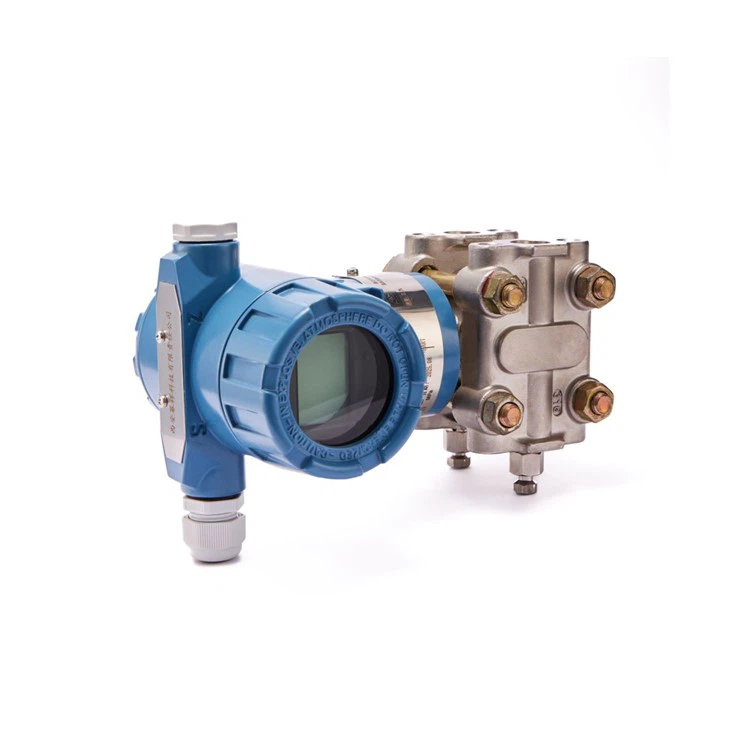
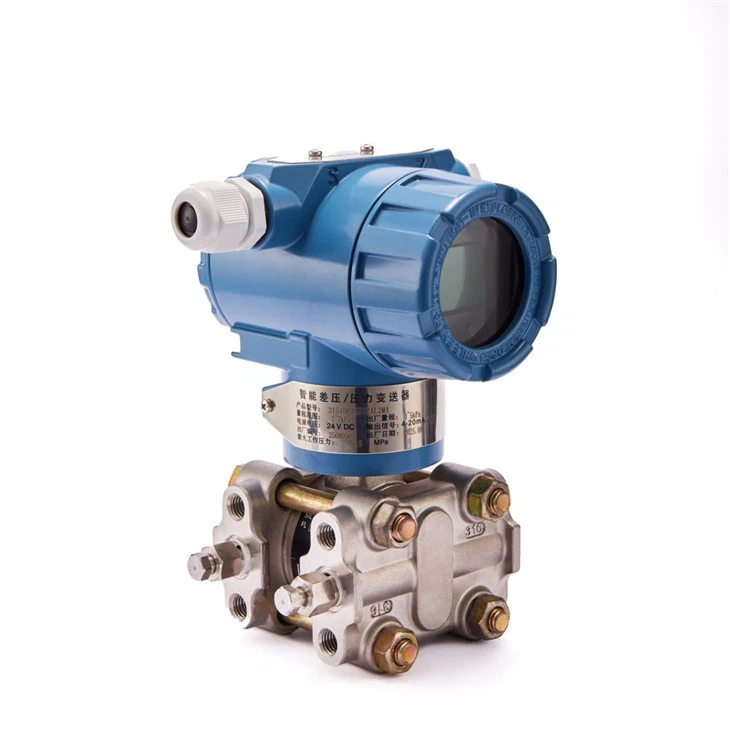
There are several factors that can affect the accuracy of a pressure process transmitter. These include the quality of the sensing element, the calibration process, environmental conditions such as temperature and humidity, and the electrical interference. A high-quality sensing element, such as a Metal Capacitive Differential Pressure Transmitter, can provide more accurate measurements due to its stable and reliable performance.
Why Accuracy Matters
The accuracy of a pressure process transmitter is of utmost importance in many industrial applications. In industries such as oil and gas, chemical processing, and power generation, precise pressure measurements are essential for ensuring the safety and efficiency of operations. For instance, in an oil refinery, accurate pressure measurements are required to control the flow of fluids through pipelines and to prevent overpressure situations that could lead to equipment failure or even explosions.
In the pharmaceutical and food industries, accurate pressure measurements are necessary to maintain the quality and consistency of products. For example, in the production of vaccines, precise pressure control is required during the filling and sealing processes to ensure the sterility and efficacy of the final product.
Accuracy Requirements in Different Industries
The accuracy requirements for pressure process transmitters vary depending on the industry and the specific application. In general, industries that require high precision and safety, such as aerospace and nuclear power, have more stringent accuracy requirements compared to industries with less critical applications.
Oil and Gas Industry
In the oil and gas industry, pressure process transmitters are used for a variety of applications, including wellhead pressure monitoring, pipeline pressure control, and tank level measurement. The accuracy requirements for these applications typically range from ±0.1% to ±0.5% of FSO, depending on the specific process and the level of precision required.
Chemical Processing Industry
In the chemical processing industry, pressure measurements are crucial for controlling chemical reactions, ensuring the safety of workers, and preventing environmental pollution. The accuracy requirements for pressure process transmitters in this industry can vary widely, depending on the type of chemical being processed and the specific process conditions. Generally, an accuracy of ±0.25% to ±0.5% of FSO is common.
Power Generation Industry
In the power generation industry, pressure process transmitters are used to monitor and control the pressure of steam, water, and other fluids in power plants. The accuracy requirements for these applications typically range from ±0.1% to ±0.3% of FSO, depending on the type of power plant and the specific process requirements.
Calibration and Maintenance
To ensure the accuracy of a pressure process transmitter, regular calibration and maintenance are essential. Calibration involves comparing the output of the transmitter with a known standard and adjusting it if necessary to ensure that it is within the specified accuracy range. Maintenance includes cleaning, inspection, and replacement of components as needed to prevent wear and tear and to ensure the long-term reliability of the transmitter.
As a process transmitter supplier, we offer comprehensive calibration and maintenance services to our customers. Our team of experienced technicians is trained to perform accurate calibrations using state-of-the-art equipment and to provide timely maintenance to keep your transmitters operating at peak performance.
Choosing the Right Pressure Process Transmitter
When choosing a pressure process transmitter, it is important to consider the accuracy requirements of your application. You should also consider other factors such as the measurement range, the type of pressure (absolute, gauge, or differential), the output signal, and the environmental conditions.
We offer a wide range of pressure process transmitters to meet the diverse needs of our customers. Our Absolute / Gauge Pressure Transmitter provides accurate and reliable measurements of absolute or gauge pressure, while our Metal Capacitive Differential Pressure Transmitter is designed for applications that require high precision and stability.
Conclusion
In conclusion, the accuracy requirement for a pressure process transmitter is a critical factor that can significantly impact the performance and safety of industrial processes. As a process transmitter supplier, we are committed to providing our customers with high-quality transmitters that meet the most stringent accuracy requirements. Whether you are in the oil and gas, chemical processing, power generation, or any other industry, we have the expertise and the products to meet your needs.
If you are interested in learning more about our pressure process transmitters or would like to discuss your specific requirements, please contact us. Our team of experts is ready to assist you in choosing the right transmitter for your application and to provide you with the support and service you need to ensure the success of your project.
References
- "Pressure Transmitter Basics," InstrumentationTools.com
- "Accuracy and Precision in Pressure Measurement," Emerson Process Management
- "Industrial Pressure Transmitters: Selection and Application," Yokogawa Electric Corporation


