


Hey there! As a supplier of Electromagnetic Flow Meters, I often get asked about the power supply requirements for these nifty devices. So, I thought I'd take the time to break it all down for you in this blog post.
Let's start with the basics. An Electromagnetic Flow Meter is a type of flow meter that measures the flow of electrically conductive liquids. It works based on Faraday's law of electromagnetic induction. When a conductive fluid flows through a magnetic field generated by the flow meter, a voltage is induced. This voltage is proportional to the flow velocity of the fluid, allowing us to measure the flow rate accurately.
Now, when it comes to powering these flow meters, there are a few key factors to consider. The power supply requirements can vary depending on the specific model and application of the electromagnetic flow meter.
Types of Power Supply
There are generally two main types of power supplies used for electromagnetic flow meters: AC (alternating current) and DC (direct current).
AC Power Supply
Many industrial electromagnetic flow meters are designed to be powered by AC sources. This is because in industrial settings, AC power is readily available from the electrical grid. AC-powered flow meters typically operate at standard line voltages, such as 110V or 230V, depending on the region.
One of the advantages of using an AC power supply is its reliability. The electrical grid is usually a stable source of power, and as long as there are no major power outages or disruptions, the flow meter will continue to operate smoothly. Additionally, AC power can provide sufficient energy to drive the magnetic field generation and signal processing components of the flow meter.
However, there are also some drawbacks to using AC power. For one, AC power can be subject to voltage fluctuations and electrical noise, which can potentially affect the accuracy of the flow meter readings. To mitigate these issues, many AC-powered flow meters are equipped with power conditioning circuits to stabilize the input voltage and filter out noise.
DC Power Supply
DC power supplies are also commonly used for electromagnetic flow meters, especially in applications where AC power is not available or where a more stable and regulated power source is required. DC-powered flow meters can be powered by batteries, solar panels, or DC power supplies from other sources.
The main advantage of using a DC power supply is its stability. DC power is less prone to voltage fluctuations and electrical noise compared to AC power, which can result in more accurate flow meter readings. Additionally, DC power supplies can be more flexible in terms of installation, as they can be easily integrated with other DC-powered devices or systems.
On the other hand, the main limitation of using a DC power supply is its limited power capacity. Batteries, for example, have a finite amount of energy storage, which means that they will need to be replaced or recharged periodically. Solar panels are also dependent on sunlight availability, which can be a challenge in areas with limited sunlight or during cloudy days.
Power Consumption
The power consumption of an electromagnetic flow meter depends on several factors, including the size of the flow meter, the operating frequency of the magnetic field, and the complexity of the signal processing circuitry.
In general, larger flow meters tend to consume more power than smaller ones, as they require a stronger magnetic field to measure the flow of larger volumes of fluid. Similarly, flow meters with higher operating frequencies also consume more power, as they need to generate a more rapidly changing magnetic field.
The signal processing circuitry of the flow meter also contributes to its power consumption. More advanced flow meters with additional features, such as digital displays, communication interfaces, and diagnostic functions, will typically consume more power than basic models.
It's important to consider the power consumption of the flow meter when selecting a power supply. If the power consumption is too high, it may require a larger or more powerful power supply, which can increase the cost and complexity of the installation. On the other hand, if the power supply is not able to provide enough power, the flow meter may not operate properly or may produce inaccurate readings.

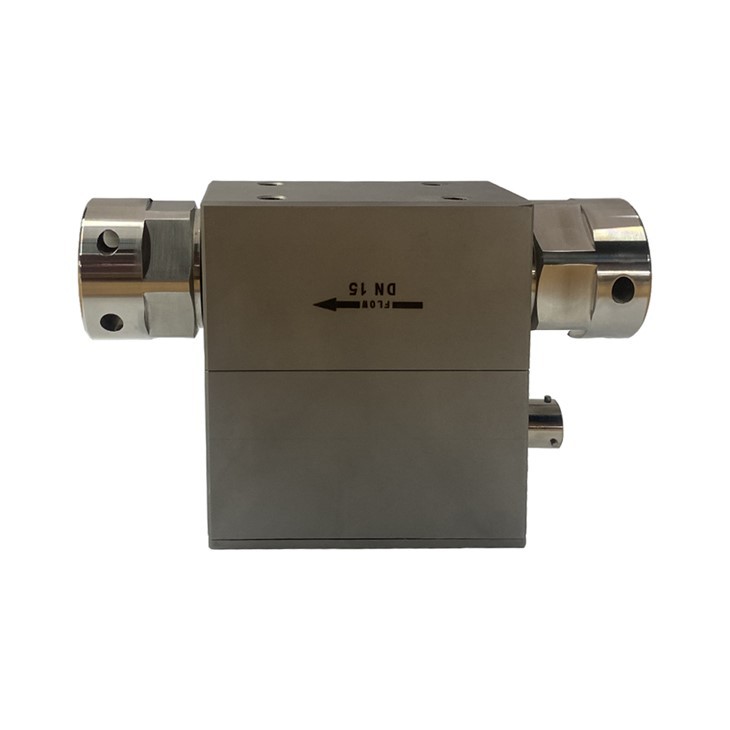
Intrinsically Safe Considerations
In some applications, such as in hazardous environments where there is a risk of explosion or fire, it's important to use an intrinsically safe Intrinsically Safe Flowmeter. Intrinsically safe flow meters are designed to operate in a way that they cannot generate enough energy to cause an ignition in the surrounding environment.
When it comes to power supply requirements for intrinsically safe flow meters, special precautions need to be taken. The power supply must be designed to limit the amount of energy that can be delivered to the flow meter, even in the event of a fault or malfunction. This typically involves using a power limiting device, such as a current-limiting resistor or a power conditioner, to ensure that the power output is within the safe limits.
In addition to power limiting, intrinsically safe flow meters may also require additional protection measures, such as explosion-proof enclosures or barriers, to prevent the release of any potentially hazardous energy.
Choosing the Right Power Supply
So, how do you choose the right power supply for your electromagnetic flow meter? Here are some key factors to consider:
- Availability of Power: First and foremost, you need to consider the availability of power at the installation site. If AC power is readily available from the electrical grid, an AC-powered flow meter may be the most convenient option. However, if AC power is not available or if you need a more flexible power source, a DC-powered flow meter may be a better choice.
- Power Requirements: You also need to consider the power requirements of the flow meter, including the voltage, current, and power consumption. Make sure that the power supply you choose can provide the necessary power to operate the flow meter properly.
- Environmental Conditions: The environmental conditions at the installation site can also affect the choice of power supply. For example, if the flow meter is installed in a harsh or hazardous environment, you may need to choose a power supply that is designed to withstand these conditions, such as an explosion-proof or waterproof power supply.
- Cost and Maintenance: Finally, you need to consider the cost and maintenance requirements of the power supply. AC power supplies are generally more cost-effective and easier to maintain compared to DC power supplies, especially if they are connected to the electrical grid. However, if you choose a DC power supply, you need to factor in the cost of batteries or other power sources, as well as the maintenance and replacement requirements.
In conclusion, the power supply requirement for an electromagnetic flow meter is an important consideration that can affect the performance, accuracy, and reliability of the device. By understanding the different types of power supplies available, the power consumption of the flow meter, and the special considerations for intrinsically safe applications, you can choose the right power supply for your specific needs.
If you're in the market for an electromagnetic flow meter and have any questions about power supply requirements or other aspects of our products, don't hesitate to reach out to us. We're here to help you find the best solution for your flow measurement needs. Contact us today to start the procurement and negotiation process!
References
- Flow Measurement Handbook: Principles and Practice, Second Edition, by Richard W. Miller
- Industrial Flow Measurement, by David W. Spitzer
- Electromagnetic Flowmeters: Theory, Design, and Application, by William J. Fitzgerald

