


Hey there! As a flow meter supplier, I often get asked about all sorts of technical details regarding flow meters. One question that pops up quite a bit is, "What is the flow low - pressure content of a flow meter?" Let's dig into this topic and break it down in a way that's easy to understand.
First off, let's talk about what a flow meter does. Simply put, a flow meter is a device used to measure the flow rate of a fluid, whether it's a liquid or a gas. It's like a speedometer for fluids, telling you how fast the stuff is moving through a pipe or a system. Now, the low - pressure content part comes into play when we're dealing with the conditions under which the flow meter operates.
Low - pressure situations can have a significant impact on how a flow meter functions. When the pressure of the fluid is low, it can affect the accuracy of the flow measurement. For example, in a low - pressure environment, the fluid might not flow as smoothly as it would under higher pressure. This can lead to things like turbulence and uneven flow patterns, which in turn can throw off the readings of the flow meter.
There are different types of flow meters, and each one reacts differently to low - pressure conditions. Take the Intrinsically Safe Flowmeter for instance. These flow meters are designed to be safe in hazardous environments, but they also need to be able to handle low - pressure situations accurately. They use special sensors and technology to measure the flow even when the pressure is on the lower side.
Another popular type is the Electromagnetic Flow Meter. This type of flow meter works based on the principle of electromagnetic induction. In low - pressure scenarios, the key is to ensure that the fluid still has enough conductivity and that the flow is consistent enough for the electromagnetic field to accurately measure the flow rate.
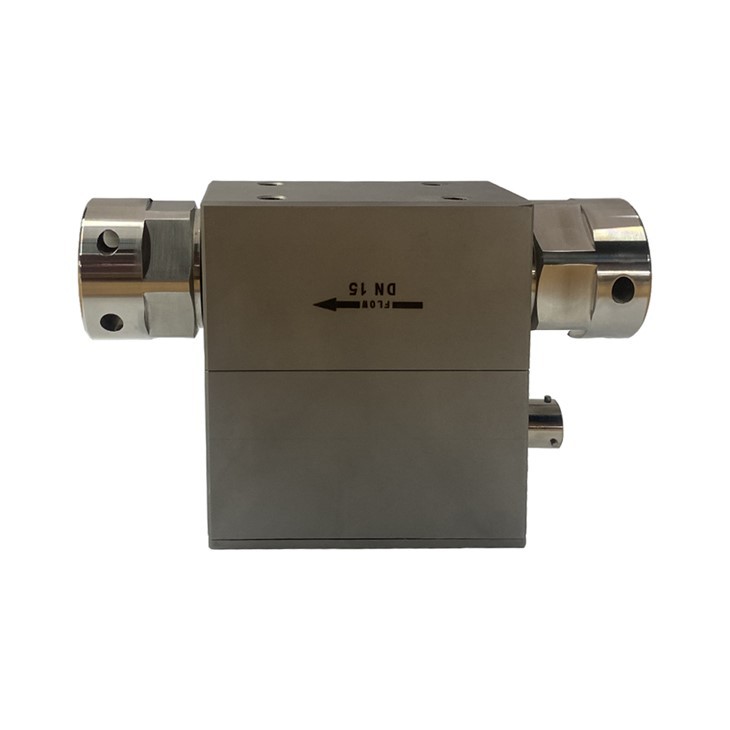

Now, let's get into the nitty - gritty of why low - pressure content matters. In many industrial applications, precise flow measurement is crucial. For example, in a chemical processing plant, if the flow meter isn't accurate due to low - pressure conditions, it could lead to incorrect mixing of chemicals. This can result in sub - standard products, wasted resources, and even safety hazards.
In the oil and gas industry, low - pressure flow measurement is also a big deal. When extracting oil or gas from wells, the pressure can vary greatly. A flow meter that can accurately measure the flow at low pressures is essential for proper production management and resource allocation.
So, how do we deal with low - pressure content in flow meters? One approach is to use flow meters that are specifically designed for low - pressure applications. These flow meters are built with features that help them overcome the challenges posed by low pressure. For example, they might have more sensitive sensors or better flow straighteners to reduce turbulence.
Another option is to use pressure - boosting devices in the system. By increasing the pressure of the fluid before it reaches the flow meter, we can ensure that the flow meter operates under more favorable conditions. However, this approach has its own drawbacks, such as increased energy consumption and additional equipment costs.
It's also important to regularly calibrate and maintain flow meters, especially when they're operating in low - pressure environments. Over time, the performance of a flow meter can degrade, and calibration helps to ensure that it's still providing accurate readings. Maintenance tasks like cleaning the sensors and checking for any signs of wear and tear can also go a long way in keeping the flow meter in top shape.
When choosing a flow meter for a low - pressure application, there are a few things to consider. First, you need to know the range of pressures that the flow meter will be exposed to. This will help you select a flow meter that can handle those pressures accurately. You also need to think about the type of fluid you're measuring. Different fluids have different properties, such as viscosity and conductivity, which can affect the performance of the flow meter.
The accuracy requirements of your application are also crucial. If you need very precise measurements, you'll want to invest in a high - quality flow meter that's designed for that level of accuracy. On the other hand, if your application can tolerate a bit of error, you might be able to get away with a more affordable option.
As a flow meter supplier, I've seen firsthand the importance of getting the right flow meter for the job, especially when it comes to low - pressure situations. We offer a wide range of flow meters that are suitable for various low - pressure applications. Whether you're in the food and beverage industry, the pharmaceutical industry, or any other field that requires accurate flow measurement, we've got you covered.
If you're in the market for a flow meter and need to deal with low - pressure content, don't hesitate to reach out. We can help you select the right flow meter for your specific needs and provide you with all the support you need, from installation to maintenance. Our team of experts is always on hand to answer your questions and offer advice.
In conclusion, understanding the flow low - pressure content of a flow meter is essential for anyone who uses or supplies flow meters. Low - pressure conditions can present unique challenges, but with the right flow meter and proper management, you can ensure accurate and reliable flow measurement. So, if you're looking for a flow meter that can handle low - pressure situations, give us a shout, and let's start a conversation about how we can help you meet your flow measurement needs.
References
- Flow Measurement Handbook: Principles and Practice, Third Edition by Richard W. Miller
- Industrial Flow Measurement by Marcel Kuipers


